
If you've worked with me or followed recovery protocols closely, you've encountered PNF stretching—a technique that feels counterintuitive but produces remarkable improvements in flexibility. PNF stands for Proprioceptive Neuromuscular Facilitation, and it's one of the most effective ways to increase range of motion beyond what passive stretching alone can achieve. Understanding how it works will help you use it effectively between sessions.
The Limits Of Passive Stretching
Traditional passive stretching is simple: you stretch a muscle and hold it. The muscle gradually relaxes and you achieve a bit more length. It works, but it has limits. Your nervous system has a protective reflex called the stretch reflex that prevents you from stretching too far. Go too deep into a stretch too quickly, and your muscles contract to protect themselves. This limits how far you can actually lengthen the tissue.
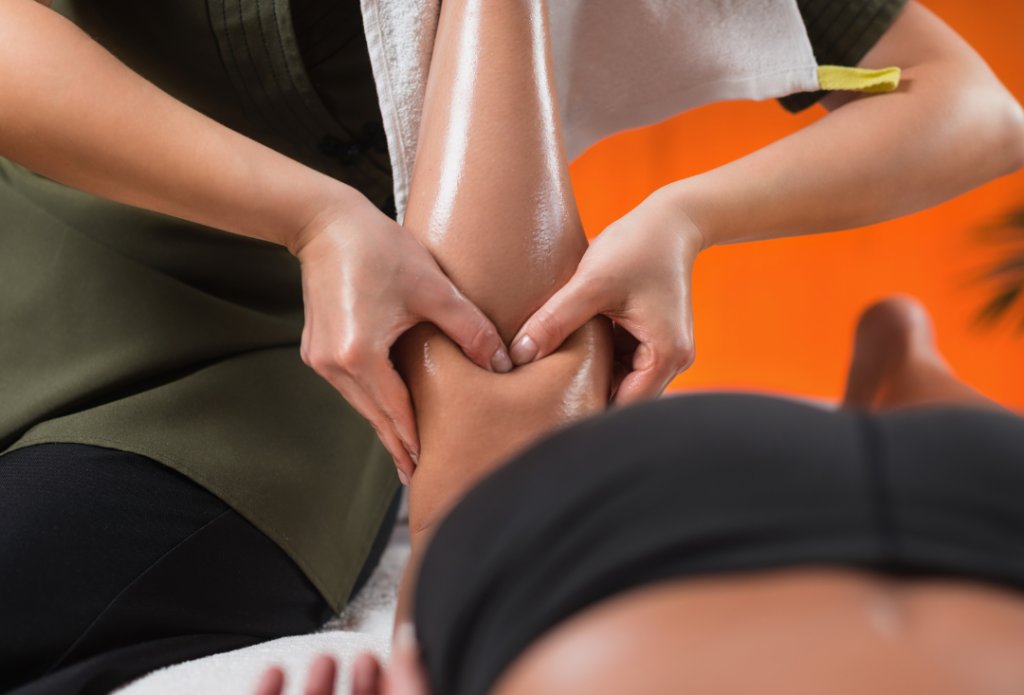
In my sessions, I use PNF stretching to address specific flexibility limitations after releasing trigger points and restrictions.
How The Contract-Relax Cycle Works
PNF works differently. It uses a contract-relax cycle that essentially tells your nervous system it's safe to let the muscle lengthen further. Here's how it works: you stretch a muscle to mild tension (not pain), then you contract that muscle against resistance for about 5-6 seconds, then you release and stretch deeper. That contraction followed by relaxation allows you to achieve greater range of motion than stretching alone. The mechanism is neurological—the reflex that limits your stretch actually resets when you contract the muscle, allowing greater lengthening afterward.
PNF In Your NMT Sessions
In my sessions, I use PNF stretching to address specific flexibility limitations after releasing trigger points and restrictions. Once the tissue is released, PNF helps you regain full range of motion efficiently. For example, if you have tight hip rotators (a common issue for golfers), I'll use PNF to help you achieve external hip rotation beyond what you could get from passive stretching. The result is faster improvement and more complete restoration of movement.
Try PNF At Home
You can also use modified PNF stretching at home between appointments. Take the hamstring: stretch your leg out straight, pull your toes toward your shin to deepen the stretch, then press your heel down against the ground (creating contraction without movement) for 5-6 seconds. Release, relax, and stretch deeper. Repeat 2-3 times. This simple protocol produces noticeable improvement in hamstring flexibility in just a few sessions of regular practice.
Consistency Is Everything
The key is consistency. PNF works best when you use it regularly, not sporadically. A few minutes of proper PNF stretching daily will produce better results than occasional sessions. Combined with the work we do in your appointments addressing trigger points and muscle restrictions, PNF stretching becomes a powerful tool for maintaining flexibility and preventing injury. Learn the technique properly, use it consistently, and you'll notice real differences in your movement and recovery.