Neuromuscular Therapy · Greenville, South Carolina

Prevent Future Pain

This Is Not Relaxation — This Is Results.

Neuromuscular therapy that restores health, increases flexibility, and prevents injury by improving the structural integrity of the body. We figure out why you hurt — and then we fix it.

Book an Appointment
500+Patients Helped
★ 5.0Google Rating
10+Yrs Experience

Neuromuscular therapy can restore health, increase flexibility, and prevent injury by improving the structural integrity of the body. If you're serious about taking proactive steps to improve your health, fitness, and overall well-being, you're in the right place. We figure out why you hurt — and then we fix it.

Learn More About Us

What is Neuromuscular Therapy?

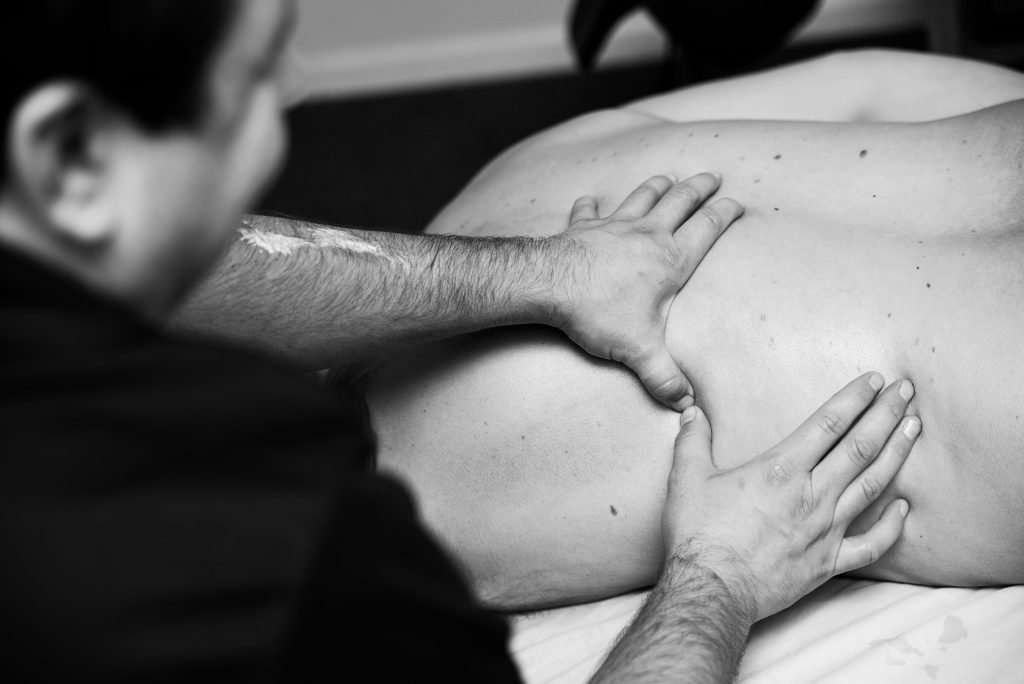
Neuromuscular therapy, also known as NMT, is a specialized form of manual therapy that focuses on the relationship between the nervous system and the muscles. Unlike general massage, NMT uses clinical assessment and targeted pressure techniques to identify and treat the root cause of pain — not just the symptoms. Every appointment begins with an evaluation to understand exactly where your pain originates and why.

Conditions We Address

We Treat

Headaches
Plantar Fasciitis
Fatigue
Golfers
Hip Pain
Runners
Sinus / Allergies / Asthma
Athletes — Performance
Neck Pain
Carpal Tunnel
Back Pain
Rotator Cuff
TMJ & TMD
Sciatic Nerve Pain
Muscular therapy in Greenville SC
Releasing tension and restoring balance — Muscular therapy in Greenville, SC

What Our Patients Say

★★★★★

"Corbin has a great understanding of the body and a passion for his work. The second session produced results I've been looking and hoping for — increased range of motion and better understanding of what is causing my pain."

Gareth
Greenville, SC
★★★★★

"After just one session, I felt like a brand-new person. After my third treatment my mind was clear, and my overall wellness had completely transformed. Working with Corbin has been nothing short of magic."

Duncan
Greenville, SC
★★★★★

"As a professional athlete, my body takes a beating. Corbin is highly skilled at releasing tight muscles and addressing sports-related tension. Regular therapy has been essential for my recovery and peak performance."

George
Professional Brazilian Jiu-Jitsu

Neuromuscular Therapy Education & News

Neuromuscular therapy as integrated treatment at Organic Mechanics Greenville SC

NMT As An Integrated Therapy

How neuromuscular therapy works alongside other modalities for comprehensive pain relief.

Learn More →
Neuromuscular therapy vs traditional massage comparison Organic Mechanics Greenville SC

What Makes NMT Different Than Traditional Massage?

Understanding the clinical difference between relaxation massage and results-driven neuromuscular therapy.

Learn More →
Bubble Buds CBD cream for pain relief at Organic Mechanics Greenville SC

Discover The Benefits of Bubble Buds CBD Body Lube

How CBD-infused products enhance the effectiveness of deep tissue and neuromuscular work.

Learn More →

Ready to Feel Your Best?

New patients welcome. Book your appointment today in Greenville, SC.

Book the Appointment
About Organic Mechanics
Greenville, SC · Licensed Neuromuscular Therapist

About Organic Mechanics

At Organic Mechanics, we believe that bodywork should be more than just relaxing — it should be effective.

My name is Corbin Piccione, Licensed Neuromuscular Therapist. My journey into this field began after an injury while working as a chef in New York. I suffered a severe fall in the kitchen that caused intense pain in my back and legs.

For a long time, I struggled to find relief — until I met a Neuromuscular Therapist who successfully treated my pain. That experience changed everything for me. Inspired by the results, I made a life-changing decision to leave the culinary world and pursue Neuromuscular Therapy.

For the past 10 years, I have proudly served residents throughout the Upstate of South Carolina. My goal is not only to help people achieve lasting, pain-free results but also to empower them with the education and knowledge needed to maintain a healthier body.

— Corbin Piccione, LNMT

Corbin Piccione - Neuromuscular Therapist

The Science Behind NMT

Neuromuscular therapy is rooted in Western medical research and evidence-based practice. The therapy addresses five key physiological factors that contribute to chronic pain — creating lasting structural change in your muscular system, not temporary relief.

01

Ischemia

02

Trigger Points

03

Nerve Compression

04

Postural Distortion

05

Biomechanical Dysfunction

Neuromuscular therapy session at Organic Mechanics Greenville SC

What to Expect at Your First Appointment

Your first neuromuscular therapy session at Organic-Mechanics begins with a detailed health history and movement assessment. Corbin will evaluate your posture, range of motion, and pain patterns to develop a targeted treatment plan.

The hands-on treatment involves precise pressure applied to specific muscles and trigger points — the work is focused and purposeful. Most patients experience significant relief within the first one to three sessions, with lasting results building over a course of treatment.


Book Your First Appointment

Ready to Feel Your Best?

New patients welcome. Book your appointment today in Greenville, SC.

Book the Appointment
Neuromuscular therapy techniques offered at Organic Mechanics Greenville SC
Clinical · Targeted · Results-Driven

Neuromuscular Techniques

Technique 01

What is Trigger Point Release?

Trigger point therapy is one of the most powerful neuromuscular techniques available for chronic pain relief. A trigger point is a hyperirritable spot within muscle tissue — commonly known as a muscle knot — that causes localized pain and often refers pain to other areas of the body.

At Organic-Mechanics, Corbin locates each active trigger point through clinical assessment and applies precise, sustained manual pressure until the point releases. Many patients experience immediate and lasting reduction in pain following treatment.


Explore Trigger Point Therapy → Book an Appointment
Trigger point therapy treatment at Organic Mechanics Greenville SC
Myofascial release therapy at Organic Mechanics Greenville SC
Technique 02

What is Myofascial Release?

Myofascial release targets the fascia — the dense connective tissue that surrounds and interconnects every muscle in your body. When fascia becomes restricted due to injury, overuse, or postural habits, it creates a pulling force that can cause widespread pain and limited movement.

Corbin applies slow, sustained pressure to fascial restrictions — holding each area until the tissue softens and releases naturally. Unlike techniques that work on the muscles directly, myofascial release addresses the structural network that holds everything together.


Explore Myofascial Release → Book an Appointment

Which Technique is Right for You?

You don't need to know. Corbin begins every appointment with a thorough postural assessment — then selects and applies the most appropriate techniques for your body, adjusting throughout the treatment based on your response. Your job is simply to show up. It's his job to find the solution.

Book Your Assessment
Technique · Trigger Point

Trigger Point Therapy

Precise, sustained pressure applied to hyperirritable spots in muscle tissue to eliminate pain at its source.

Understanding Trigger Points

A trigger point is a hyperirritable spot within a taut band of muscle tissue — commonly known as a muscle knot. These points develop when muscle fibers become stuck in a contracted state, creating localized pain that often radiates or "refers" to other areas of the body. A trigger point in your shoulder, for example, can send pain up into your neck and head, causing what feels like a headache but is actually muscular in origin.

Trigger points can develop from acute injury, repetitive strain, poor posture, emotional stress, or chronic overuse. They are one of the most common and most overlooked causes of chronic pain — and one of the most treatable when addressed with the right technique.

How Trigger Point Therapy Works

At Organic-Mechanics, Corbin uses clinical palpation to locate active trigger points throughout the body. Once identified, he applies precise, sustained manual pressure directly to the trigger point — holding until the tissue releases and the contracted fibers return to their normal resting state.

The treatment is focused and deliberate. You may feel a "good hurt" during the pressure phase as the trigger point responds — this is a normal part of the release process. As the point deactivates, patients often feel an immediate reduction in pain and an increase in range of motion.

Common Areas for Trigger Points

  • Upper Trapezius — neck and shoulder tension
  • Levator Scapulae — stiff neck and limited rotation
  • Infraspinatus — deep shoulder and arm pain
  • Quadratus Lumborum — lower back pain
  • Piriformis — sciatic-like pain down the leg
  • Sternocleidomastoid — headaches and jaw pain
  • Scalenes — numbness or tingling in the arm
  • Gluteus Medius — hip and lateral leg pain

Benefits of Trigger Point Therapy

Immediate Relief

Many patients feel a significant reduction in pain during or immediately after treatment.

Referred Pain Resolution

Treats the source of radiating pain rather than chasing symptoms in distant areas.

Headache Relief

Addresses the muscular causes behind tension headaches and migraines.

Increased Range of Motion

Releases contracted muscle fibers, restoring full movement and flexibility.

Athletic Recovery

Restores peak muscular performance by eliminating knots and tension patterns.

Chronic Pain Management

Provides long-term results for persistent pain that hasn't responded to other treatments.

Ready to Feel Your Best?

New patients welcome. Book your appointment today in Greenville, SC.

Book the Appointment
Technique · Myofascial

Myofascial Release

Slow, sustained pressure that releases fascial restrictions and restores structural freedom throughout your body.

Understanding the Fascial System

Fascia is the dense, web-like connective tissue that surrounds and interconnects every muscle, bone, nerve, and organ in your body. Think of it as a continuous three-dimensional network — like a bodysuit beneath your skin that holds everything in place and allows structures to glide smoothly against each other.

When fascia becomes restricted due to injury, surgery, overuse, inflammation, or poor posture, it tightens and loses its flexibility. These restrictions create tension patterns that can pull your body out of alignment, compress nerves, restrict blood flow, and cause pain — often in areas far from the original site of restriction.

How Myofascial Release Works

Myofascial release uses slow, sustained manual pressure applied directly to fascial restrictions. Unlike techniques that work on muscles through rapid or repetitive strokes, myofascial release relies on time and patience — Corbin holds each area with steady pressure until the tissue begins to soften, elongate, and release naturally.

This approach works because fascia responds to sustained load over time. The tissue has a viscoelastic property, meaning it will gradually yield and restructure when appropriate pressure is maintained. The result is a lasting change in tissue length and mobility — not just temporary relaxation.

Signs You May Benefit from Myofascial Release

  • Chronic tightness that doesn't respond to stretching
  • Pain that moves or spreads to different areas
  • Limited range of motion despite regular exercise
  • Postural imbalances or asymmetry
  • Recurring injuries in the same area
  • A general feeling of being "stuck" or restricted

Benefits of Myofascial Release

Structural Freedom

Releases deep fascial restrictions that limit movement and create compensatory pain patterns.

Pain Relief

Addresses connective tissue tension that is often the hidden source of chronic pain.

Improved Posture

Restores natural alignment by releasing the fascial pulls that distort your structure.

Enhanced Flexibility

Increases tissue elasticity and range of motion beyond what stretching alone can achieve.

Injury Recovery

Supports rehabilitation by breaking down scar tissue and restoring healthy tissue function.

Whole-Body Balance

Treats the interconnected fascial system as a whole, creating balance across your entire body.

Ready to Feel Your Best?

New patients welcome. Book your appointment today in Greenville, SC.

Book the Appointment

Muscular Therapy Tips & News

Expert articles on neuromuscular therapy, pain relief, and body health from Corbin Piccione

NMT As An Integrated Therapy
March 2026

NMT As An Integrated Therapy

When people think about bodywork, they often picture a relaxing massage that helps melt away stress. While that certainly has its place,...

Read More →
What Makes NMT Different Than Traditional Massage?
February 2026

What Makes NMT Different Than Traditional Massage?

When most people think about massage, they picture a relaxing session meant to ease tension and help them unwind. And while there’s absolutely value...

Read More →
FOR IMMEDIATE RELEASE Organic Mechanics Named Best of 2025 Greenville Award Winner in Sports Massage Therapist Category by BusinessRate
January 2026

FOR IMMEDIATE RELEASE Organic Mechanics Named Best of 2025 Greenville Award Winner in Sports Massage Therapist Category by BusinessRate

Organic Mechanics, a leading muscular therapy practice in Greenville, South Carolina, proudly announces that it has been recognized as a Best of 2025...

Read More →
Discover The Benefits of Bubble Buds CBD Body Lube
December 2025

Discover The Benefits of Bubble Buds CBD Body Lube

At Organic Mechanics, we’re always looking for natural ways to support your overall wellness. That's why we developed Bubble Buds CBD Body Lube. This...

Read More →
Neuromuscular Therapy Supports Healthy Blood Pressure
November 2025

Neuromuscular Therapy Supports Healthy Blood Pressure

What does this blog post cover?The post explains how neuromuscular therapy can help support healthy blood pressure by reducing stress, relieving...

Read More →
How Neuromuscular Therapy Can Improve Your Golf Swing
August 2025

How Neuromuscular Therapy Can Improve Your Golf Swing

If you love golf, you know how much time and practice it takes to get your golf swing just right. But did you know that the very motions you repeat...

Read More →
Are Your Shoes Causing Foot Deformities?
August 2025

Are Your Shoes Causing Foot Deformities?

Your feet are a vital part of your health and wellness. When functioning properly, they provide a stable base and proper alignment while you perform...

Read More →
Many Types Of Stressors Manifest In The Body
August 2025

Many Types Of Stressors Manifest In The Body

At Organic Mechanics, we use specialized manual techniques to address the root cause of pain. However, sometimes that root cause goes even deeper...

Read More →
What Can I Expect From My Initial Appointment?
August 2025

What Can I Expect From My Initial Appointment?

When you book your first session at Organic Mechanics, what can you expect? How will NMT be different than other methods you've tried? We understand...

Read More →
What Makes Neuromuscular Therapy Different Than Other Forms Of Massage?
August 2025

What Makes Neuromuscular Therapy Different Than Other Forms Of Massage?

If you’re new to seeking bodywork treatment, you might be wondering what neuromuscular therapy is – and why it’s different from other types of...

Read More →
Neuromuscular therapy for gym recovery at Organic Mechanics Greenville SC
May 2025

NMT For Gym Recovery

One of the best ways to stay healthy is to move your body regularly. That's why we encourage our patients to be active, whether it's daily walking,...

Read More →
PNF Stretching For Better Results
January 2025

PNF Stretching For Better Results

During a NMT session, I often get asked how patients can enhance the benefits of their in-office care at home. One of my favorite tools to recommend...

Read More →
How Neuromuscular Therapy Can Help Alleviate Holiday Stress
December 2024

How Neuromuscular Therapy Can Help Alleviate Holiday Stress

As a neuromuscular therapist, I’ve seen firsthand how stress impacts the body—especially during the holidays. From tense shoulders to persistent...

Read More →
Got Groin Pain? Grab Your Nearest Foam Roller
November 2024

Got Groin Pain? Grab Your Nearest Foam Roller

Groin pain is a common issue that can affect anyone, from athletes to those leading a more sedentary lifestyle. It often involves discomfort in the...

Read More →
Using Your HSA Account For Treatment And Other Tax Tips
October 2024

Using Your HSA Account For Treatment And Other Tax Tips

We know that NMT is an extra expense, and many people have a hard time justifying it in their budget. Plus, in order to provide the best care, we...

Read More →
Understanding fascia tissue and neuromuscular therapy Organic Mechanics Greenville SC
September 2024

Understanding Fascia Tissue

Fascia is a key part of our body’s connective tissue system, but it doesn’t always get the attention it deserves. Fascia tissue is like a web that...

Read More →
How To Manage A New Injury
August 2024

How To Manage A New Injury

Many times we see clients in the office who are complaining of new pain or they suspect a recent injury is leading to pain, immobility, swelling, and...

Read More →
Dealing With Shoulder Pain? NMT Can Help
July 2024

Dealing With Shoulder Pain? NMT Can Help

Along with back pain, we see a lot of patients with shoulder pain in the office. And, this is reflective of the incidence in the general population -...

Read More →
New Bubble Buds Body Lube For Pain Relief And More
June 2024

New Bubble Buds Body Lube For Pain Relief And More

We are huge advocates for CBD, as it offers some amazing benefits for the body and is incredibly safe. That's why we worked so hard to launch our...

Read More →
Struggling With Lower Body Pain? Stop Crossing Your Legs!
May 2024

Struggling With Lower Body Pain? Stop Crossing Your Legs!

While we've been socialized to believe that crossing your legs is polite and/or modest (even for men), this habit can have disastrous effects on your...

Read More →
The Mysterious Cause Of Your Back Pain
April 2024

The Mysterious Cause Of Your Back Pain

Back pain is extremely common, in fact, we see multiple people every day with this complaint. The tricky thing about this type of pain is that there...

Read More →
Fascia tissue explained by Organic Mechanics neuromuscular therapy Greenville SC
March 2024

Fascia Tissue Explained

The human body is incredibly complex, with lots of moving pieces that work together (relatively) seamlessly. But sometimes, things can go awry - and...

Read More →
How To Use A Foam Roller For Maximum Benefit
February 2024

How To Use A Foam Roller For Maximum Benefit

With all the talking we do about neuromuscular therapy, you might be thinking there's nothing you can do when you're in pain at home and between...

Read More →
What Are The Benefits Of Kinesiology Tape?
January 2024

What Are The Benefits Of Kinesiology Tape?

If you've played sports or been around a gym long enough, chances are you've spotted someone wearing kinesiology tape (or k tape, for short). So,...

Read More →
Neuromuscular Therapy Can Help You Manage Stress This Holiday Season
December 2023

Neuromuscular Therapy Can Help You Manage Stress This Holiday Season

It\'s the holiday season, which means lots of activities, gatherings, and fun - but this time of year can also be stressful! Many people...

Read More →
Elbow Pain Got You Down?
November 2023

Elbow Pain Got You Down?

When elbow pain strikes, it can be extremely debilitating. Whether it's the first time or you suffer from chronic flare-ups, you know how frustrating...

Read More →
Get Relief From PMS With Neuromuscular Therapy
October 2023

Get Relief From PMS With Neuromuscular Therapy

Did you know that over 75% of women suffer from PMS (premenstrual syndrome) symptoms at some point in their life? For many women, these symptoms can...

Read More →
Gardening Aches And Pains? We Can Help!
September 2023

Gardening Aches And Pains? We Can Help!

In the Upstate area, we are fortunate to enjoy mild weather for the better part of the year. If you keep a garden, that's good news - a nice long...

Read More →
A Combination Approach To Plantar Fasciitis
August 2023

A Combination Approach To Plantar Fasciitis

Plantar Fasciitis is a common, painful condition of the foot that brings many sufferers to our office. Unfortunately, the nasty thing about PF is...

Read More →
Think Twice Before Purchasing A Massage Gun
July 2023

Think Twice Before Purchasing A Massage Gun

You've probably seen people using them around the gym, and maybe they've even popped up on your social media feed - especially if you've been...

Read More →
Prevent Leg Pain On Your Summer Road Trip
May 2023

Prevent Leg Pain On Your Summer Road Trip

Are you thinking about a summer road trip this year? It is estimated that around 80% of Americans take a road trip in the summer and close to 20% of...

Read More →
The Importance Of Rest When Dealing With An Injury
April 2023

The Importance Of Rest When Dealing With An Injury

We know this might be an unpopular opinion but - you need to rest your body if you're injured. And not just the injured part. Every week we see...

Read More →
Try Bubble Buds Cream For Your Healing Tattoo
March 2023

Try Bubble Buds Cream For Your Healing Tattoo

People get tattoos for a wide range of reasons. They can be powerful reminders of an experience, person, place, or time as well as beautiful pieces...

Read More →
Bubble Buds CBD Cream Offers Pain Relief
February 2023

Bubble Buds CBD Cream Offers Pain Relief

We've been working on something special here at Organic Mechanics, and we're finally ready to share! After years of working with patients struggling...

Read More →
NMT For Muscle Pain After Tattoo Sessions
January 2023

NMT For Muscle Pain After Tattoo Sessions

Did you know that the average tattoo session takes between 4-6 hours? Now depending on where you're getting inked, you can be sitting in an...

Read More →
What Are The Benefits Of CBD?
December 2022

What Are The Benefits Of CBD?

Unless you live under a rock, you've probably noticed the increase in popularity of CBD and hemp products over the last 5-10 years. The truth is,...

Read More →
Restore Balance To The Body With NMT
November 2022

Restore Balance To The Body With NMT

The human body is incredibly complex, with so many moving parts that work perfectly together. It also has an amazing ability to adapt and compensate...

Read More →
Regular Body Maintenance Gets The Best Results
October 2022

Regular Body Maintenance Gets The Best Results

If you think you can maintain your body once a month with a 90-minute massage, we have some bad news for you. While this might be relaxing,...

Read More →
Neuromuscular therapy for functional movement at Organic Mechanics Greenville SC
October 2022

NMT For Functional Movement

When we think about longevity and staying healthy for as long as possible, one of the most important factors is functional movement. While this may...

Read More →
What Is Fascia And Why Should You Take Care Of It?
September 2022

What Is Fascia And Why Should You Take Care Of It?

When clients come to see us, they aren't always aware of all the factors involved in the muscle and joint pain they are experiencing. The truth is...

Read More →
Allergies Got You Down? We Can Help!
September 2022

Allergies Got You Down? We Can Help!

It's that time of year again, and for allergy sufferers, there's no mistaking the first waves of pollen in the air. Congestion, itchy eyes, and...

Read More →
Neuromuscular therapy for summer depression relief Organic Mechanics Greenville SC
September 2022

NMT And Summer Depression

Did you know that 1 in 5 Americans are affected by the change in seasons? Symptoms can range from mild to more severe. When people think of seasonal...

Read More →
Neuromuscular Therapy For Scar Tissue
August 2022

Neuromuscular Therapy For Scar Tissue

Neuromuscular therapy is a remarkably versatile bodywork treatment. Along with relieving muscle and joint pain and restoring proper body mechanics,...

Read More →
Could Your Child Benefit From Orthotic Shoe Inserts?
July 2022

Could Your Child Benefit From Orthotic Shoe Inserts?

At Organic Mechanics, we focus on correcting movement patterns to not only reduce injuries but to help prevent them. As adults, most of us have...

Read More →
What is Lymphatic Manual Drainage (LMD)?
June 2022

What is Lymphatic Manual Drainage (LMD)?

Most people are familiar with the blood and circulatory system - we pick up on basic aspects of this anatomy the first time we skin a knee or get a...

Read More →
A Case Study: Transition To Membership
May 2022

A Case Study: Transition To Membership

Since we have moved towards a membership-style service, many of our patients have noticed a remarkable positive difference in how they feel on a...

Read More →
Consistency Is The Key To Optimal Health
April 2022

Consistency Is The Key To Optimal Health

You may have noticed there have been a few changes to our offerings, namely, the introduction of a membership program. We feel this change will...

Read More →
Neuromuscular therapy shoulder work at Organic Mechanics in Greenville SC
Greenville, South Carolina

Find Us

Greenville, SC Neuromuscular Therapy Location

Our Address

1622 E North St
Greenville, SC 29607

Suite 7 · At the Overbrook Drive intersection

Phone
(864) 979-6851

Due to high volume of scam calls, please leave a message or text for faster response.

Hours of Operation

Monday – Thursday

9:00 AM – 7:30 PM

Parking

Free parking is available on site. We want your visit to be as easy and stress-free as your session.

How to Find Us

From downtown Greenville, head east on East North Street. We are about 1 mile out — look for 1622 E North Street at the Overbrook Drive intersection, Suite 7.

Book an Appointment

Areas We Serve

Greenville · Simpsonville · Mauldin · Greer · Taylors · Travelers Rest · Fountain Inn · Powdersville · Clemson · Easley · and the greater Upstate South Carolina area

Ready to Feel Your Best?

Book your appointment today. New patients welcome.

Book the Appointment

Book an Appointment

Greenville, SC Neuromuscular Therapy

Your First Appointment Isn't Like Anything You've Tried Before

Most people who walk through our door have already tried everything — and still hurt. That's because most treatments chase the symptom, not the source. In your first 45–60 minute appointment, we find the root cause, map it, and start fixing it — hands-on, drug-free, that same day. No guesswork. No runaround. Just honest work that gets real results.

New patients — select "New Patient" below to get started. I look forward to seeing you soon.

Our Philosophy

Our Mission: Empowering Your Health Journey

Founded on a simple belief — your body has the ability to heal when given the right support.

Why We Started

Organic Mechanics Muscular Therapy was founded on a simple belief: your body has the ability to heal when given the right support. We created this practice in Greenville, SC to provide a therapy experience rooted in organic technique, neuromuscular touch, and genuine care for every patient who walks through our door.

We are committed to using only organic approaches to muscular therapy. Every treatment at Organic Mechanics is designed to work with your body — not against it — releasing tension at its source and restoring the balance your muscles need to function at their best.

A Relationship Built on Trust

Muscular therapy is more than a service — it is a relationship between therapist and patient built on trust, communication, and results. At Organic Mechanics in Greenville, SC, we take the time to understand what your body needs and tailor every treatment specifically to you.

Our Promise

We promise that every patient who comes to Organic Mechanics Muscular Therapy in Greenville, SC will leave feeling heard, treated with care, and one step closer to the relief they came in for. Your healing is our mission.

Ready To Restore Health & Function?

Schedule your consultation with a licensed neuromuscular therapist today.

Important Information

Policies & Waiver

Welcome to the Organic Mechanics Muscular Therapy Policies and Waiver page. Here you can review our payment policies, cancellation procedures, no-show fees, and patient responsibilities to ensure smooth scheduling and professional care in Greenville, SC.

Card Payment Policy

We use Square and Stripe for secure auto-billing. Your card information is stored safely for future appointments, package renewals, and recurring bookings.

HSA or Flex Spending Cards

We accept these cards.

Foot Levelers Orthotics Policy

Custom Foot Levelers orthotics are available only to active patients and are non-refundable.

Warranty Information: All products come with a 1-year warranty, except for flip-flops, which have a 90-day warranty. Custom pillows include a lifetime warranty.

Cancellation & No-Show Policy

You can cancel or reschedule your appointment online up to 24 hours. Same-day cancellations or missed appointments are subject to a no-show fee of 100% of the scheduled service. Adult patients are responsible for managing their own cancellations, even if a parent or guardian makes the payment for patients over 18 years of age.

Patient Responsibilities

Patients over 18 years old are responsible for managing their appointments. Parents or guardians who pay for adult patients are not responsible for cancellations or rescheduling.

Contact Information

Text or call 864-979-6851 during business hours. Messages will be answered as promptly as possible.

Response Time Policy

Mon–Tue & Thu: Text messages from 9:00 AM–7:30 PM typically receive same-day responses.

Fri–Sun: The office is closed. When the office is closed, it may take up to 48 hours for a response.

Ready To Restore Health & Function?

Schedule your consultation with a licensed neuromuscular therapist today.

What Our Patients Say

Patient Testimonials

Real results from real patients in Greenville, SC

“After spending thousands on chiropractic care, acupuncture, laser therapy, and other treatments with no lasting relief, Corbin’s neuromuscular therapy finally restored my mobility and gave me my life back. I can’t recommend him enough.”
Robert B.
Chronic Pain Relief
“I was struggling with painful nerve issues in my arm and hip dysfunction during my pregnancy. Corbin provided lasting relief for both. The pregnancy cushion made each session so comfortable I could fully relax. A wonderful experience that made my pregnancy much easier.”
Lauren
Prenatal Massage
“After arthroscopic shoulder surgery, months of physical therapy still left me with pain, stiffness, and limited range of motion. From the very first session, Corbin relieved deep muscle restrictions and restored mobility in my shoulder. His skill, professionalism, and genuine care have been truly transformative.”
Pam
Post-Surgical Recovery
“I’ve been working with Corbin for just over a year, and the results have been incredible. As a professional athlete, my body takes a beating, and regular neuromuscular therapy has been essential for recovery, flexibility, and peak performance. Corbin is highly skilled at releasing tight muscles and addressing sports-related tension.”
George
Professional Brazilian Jiu-Jitsu
“After just one session, I felt like a brand-new person. By my third treatment, my mind was clear and my overall wellness had completely transformed. I was nervous to try neuromuscular therapy, but Corbin made me feel safe, respected, and understood. He’s professional, intuitive, and genuinely gifted.”
Duncan
Overall Wellness
“It was clear in the first session that Corbin has a great understanding of the body and a passion for his work. The second session produced results I’d been hoping for — increased range of motion and a better understanding of what’s causing my pain and limited mobility. He also gave me stretches to maintain progress between sessions. Professional, personable, and enjoyable to be around.”
Gareth
Range of Motion Recovery

Ready To Restore Health & Function?

Schedule your consultation with a licensed neuromuscular therapist today.

Legal

Privacy Policy

How we collect, use, and protect your information

This privacy notice discloses the privacy practices for organic-mechanics.com. This privacy notice applies solely to information collected by this website.

Information Collection, Use, and Sharing

We are the sole owners of the information collected on this site. We only have access to information that you voluntarily give us via email or other direct contact. We will not sell or rent this information to anyone.

We will use your information to respond to you regarding the reason you contacted us. We will not share your information with any third party outside of our organization, other than as necessary to fulfill your request.

Unless you ask us not to, we may contact you via email in the future to tell you about specials, new services, or changes to this privacy policy.

Your Access to and Control Over Information

You may opt out of any future contacts from us at any time. You can do the following at any time by contacting us via the email address or phone number given on our website:

  • See what data we have about you, if any.
  • Change or correct any data we have about you.
  • Have us delete any data we have about you.
  • Express any concern you have about our use of your data.

Security

We take precautions to protect your information. When you submit sensitive information via the website, your information is protected both online and offline.

This website does not collect any sensitive information. However, if in the future we find it necessary to add this type of functionality, wherever we collect sensitive information, that information will be encrypted and transmitted to us in a secure way.

While we use encryption to protect sensitive information transmitted online, we also protect your information offline. Only employees who need the information to perform a specific job are granted access to personally identifiable information. The computers and servers in which we store personally identifiable information are kept in a secure environment.

Questions

If you feel that we are not abiding by this privacy policy, you should contact us immediately via telephone at 864-979-6851.

Ready To Restore Health & Function?

Schedule your consultation with a licensed neuromuscular therapist today.

← Back To Blog

Organic Mechanics Named Best of 2025 Greenville Award Winner

It's an honor to announce that Organic Mechanics has been recognized as Best in Category for Sports Massage in Greenville by BusinessRate. This award reflects years of dedication to neuromuscular therapy, evidence-based practice, and a commitment to real patient outcomes.

When I started Organic Mechanics, my mission was clear: deliver neuromuscular therapy that actually works. Not the kind of massage that feels nice in the moment but does nothing to address the root cause of pain. Instead, I built my practice around clinical assessment, targeted treatment, and education—helping patients understand why they hurt and how to prevent it from happening again.

What sets Organic Mechanics apart is the approach. Every session begins with an evaluation. I'm not just working on tight muscles; I'm looking for ischemia, trigger points, nerve compression, postural distortion, and biomechanical dysfunction. I assess movement patterns, palpate tissue quality, and identify the specific structures driving pain. That clinical foundation allows me to design a treatment plan tailored to each patient's unique situation.

The award means more than recognition—it validates the philosophy that patients deserve therapy based on assessment, not assumption. It says that the extra time spent understanding each person's condition, the focus on educating patients about their own bodies, and the commitment to lasting change over temporary relief makes a difference.

I'm grateful to everyone who has trusted Organic Mechanics with their care. Every patient I work with pushes me to continue learning, refining my skills, and pushing the boundaries of what neuromuscular therapy can accomplish. This award is as much yours as it is mine.

Ready To Restore Health & Function?

Schedule your consultation with a licensed neuromuscular therapist today

← Back To Blog
March 2026

NMT As An Integrated Therapy

Neuromuscular therapy doesn't exist in a vacuum. In fact, some of my most successful patient outcomes happen when NMT is integrated alongside chiropractic care, physical therapy, acupuncture, or athletic training. The key is understanding how these modalities complement each other and where NMT fills the gaps that other approaches may leave behind.

Let's say a patient comes in with chronic lower back pain. They've seen a chiropractor who restored spinal alignment. They're working with a physical therapist who's building core strength. But they still hurt. Why? Because alignment and strength don't address the muscular component—the soft tissue restrictions, trigger points, and ischemic tissue that hold the pain pattern in place. That's where NMT enters. We release the muscular dysfunction that's either causing or perpetuating the problem.

The same principle applies across different practitioners. Acupuncture can reduce pain and inflammation beautifully, but if the underlying muscle tension and trigger points remain unaddressed, the patient cycles back into dysfunction. Athletic trainers excel at injury prevention and movement patterns, but a runner with a chronically restricted IT band or calf needs someone to actually release that tissue restriction—that's clinical NMT.

Integration means communication. When a patient is seeing multiple practitioners, we share assessment findings and treatment goals. A chiropractor might notice structural distortion caused by muscular imbalance. A physical therapist might identify weakness in stabilizer muscles. An acupuncturist might recognize patterns of energy stagnation tied to tissue restriction. I assess trigger points and fascial dysfunction. Each of us brings a different lens to the same problem, and the patient benefits from a unified approach.

The most important insight: neuromuscular therapy is not a replacement for other modalities. It's a critical piece of the puzzle. The clinical foundation we build—identifying and releasing the specific muscle groups driving dysfunction—allows other practitioners to work more effectively. A chiropractor's adjustment holds longer when the muscular support system is healthy. Strength training progresses faster when pain-causing trigger points are resolved. That synergy is where real healing happens.

Ready To Restore Health & Function?

Schedule your consultation with a licensed neuromuscular therapist today

← Back To Blog

What Makes NMT Different Than Traditional Massage?

If you've never experienced neuromuscular therapy, you might assume it's just another type of massage—a deeper version of the relaxation massage you'd get at a spa. But NMT and traditional massage operate from entirely different philosophies, use different techniques, and produce fundamentally different results.

Traditional relaxation massage focuses on general tension relief, stress reduction, and the feeling of relaxation. The goal is comfort and mental wellness. A therapist will work the major muscle groups, focus on what feels good, and aim to leave you feeling peaceful. There's nothing wrong with that—relaxation is valuable. But it's not clinical treatment.

Neuromuscular therapy, by contrast, is clinical from the start. Your first session includes a thorough assessment. I ask detailed questions about your pain, injury history, daily activities, posture, and movement patterns. I palpate your muscles systematically, identify trigger points and restricted tissue, test your range of motion, and look for the specific dysfunction causing your complaint. This assessment isn't optional—it's foundational.

Once I understand the problem, treatment is targeted and specific. I'm not working the entire back to help you relax; I'm working the exact muscles driving your pain. I'm applying sustained pressure to trigger points, releasing fascial restrictions, addressing nerve compression, and correcting postural patterns. It's deeper, more focused, and often more intense than relaxation massage because we're changing tissue quality and breaking pain cycles, not just feeling better temporarily.

The results reflect this difference. Relaxation massage might leave you feeling great for a day or two. NMT patients come in with specific pain complaints and leave with measurable improvement—reduced pain, improved movement, restored flexibility. And because we educate you about the dysfunction and teach you how to maintain the improvements, the results last. You're not just getting treated; you're learning how to prevent the problem from returning.

Choose relaxation massage for wellness and stress relief. Choose NMT when you have pain, restricted movement, or dysfunction that needs to be fixed at the source. Both have their place, but they're fundamentally different in approach, technique, and outcome.

Ready To Restore Health & Function?

Schedule your consultation with a licensed neuromuscular therapist today

← Back To Blog

Discover The Benefits of Bubble Buds CBD Body Lube

Over the past several years, CBD-infused topicals have become more sophisticated and effective. I've tested many products in my practice, and Bubble Buds CBD Body Lube stands out for how well it complements neuromuscular therapy. If you're considering adding CBD to your recovery routine, here's what you should know about why it works and how it pairs with clinical soft tissue treatment.

CBD interacts with the endocannabinoid system, which regulates pain perception, inflammation, and nervous system activation. When applied topically over treated tissue, a quality CBD product can reduce local inflammation, calm pain receptors, and support the nervous system's recovery response. This matters because neuromuscular therapy—especially when addressing chronic pain patterns—creates an opportunity for the body to reset. Adding CBD at that moment amplifies the effect.

Bubble Buds specifically is formulated with a concentration of CBD that penetrates well without leaving an oily residue. The consistency is smooth enough to facilitate deeper tissue work without excessive drag, and the ingredients support skin health rather than irritating it. In my practice, I use it during the final phase of sessions focused on trigger point release or fascial work. Clients report that the combination of NMT plus topical CBD produces notably better results—less post-treatment soreness, faster recovery of range of motion, and deeper pain relief.

The science is straightforward. NMT addresses the muscular and fascial component of dysfunction. CBD reduces inflammation and modulates pain signaling. Together, they create a synergistic effect. The tissue is released and restored to normal length and function, while CBD supports the nervous system in accepting and maintaining that change.

If you're using CBD topicals, quality matters. Look for products with verified third-party testing, appropriate CBD concentration, and clean ingredients. Bubble Buds checks all those boxes, which is why it's become a staple in my treatment toolkit. Whether you're recovering from deep tissue work or managing chronic pain between sessions, a quality CBD body lube can accelerate your progress and improve outcomes. It's a simple addition that makes a measurable difference.

Ready To Restore Health & Function?

Schedule your consultation with a licensed neuromuscular therapist today

← Back To Blog

Muscular Therapy & Blood Pressure

If you struggle with high blood pressure, you've probably focused on diet, exercise, and stress management. Those are all important. But there's another factor that rarely gets mentioned: chronic muscle tension and the nervous system activation it creates. Neuromuscular therapy can directly address this link, and research shows it genuinely helps lower blood pressure.

Here's how the connection works. When you experience stress—emotional, chemical, or physical—your sympathetic nervous system activates. Your muscles contract, your heart rate increases, and your blood vessels constrict. These changes are adaptive short-term, but when stress becomes chronic, the pattern stays locked in. Your muscles remain partially contracted, blood flow is restricted, and your nervous system stays in a state of heightened activation. This chronic state drives sustained elevation in blood pressure.

Chronic muscle tension creates a vicious cycle. The tension triggers stress hormones. The stress hormones reinforce the tension. Blood pressure rises to support this sustained activation. Over time, this becomes your body's baseline. You're essentially living in a low-grade fight-or-flight state, and your blood vessels never fully relax.

Neuromuscular therapy breaks this cycle. When we release trigger points and tight muscles, we're literally relaxing the tissue that's been driving nervous system activation. The sympathetic response begins to calm. Blood flow improves. Muscle tension decreases. And—this matters—your nervous system begins to recognize that it's safe to downshift from high alert. The parasympathetic response activates. Your body relaxes more deeply than it would from conscious relaxation techniques alone.

Research supports this. Studies show that regular therapeutic massage and soft tissue release can measurably lower blood pressure, reduce cortisol (the stress hormone), and improve heart rate variability—all markers of nervous system balance. The effect isn't temporary; consistent treatment produces lasting changes in baseline blood pressure and nervous system regulation.

If you're managing high blood pressure, neuromuscular therapy is worth exploring—not as a replacement for medical treatment, but as a complement to it. By addressing the muscular tension and nervous system dysregulation driving your pressure elevation, we can support your body's natural ability to regulate blood pressure and reduce your overall cardiovascular strain.

Ready To Restore Health & Function?

Schedule your consultation with a licensed neuromuscular therapist today

← Back To Blog

Improve Your Golf Swing With Muscular Therapy

If you golf regularly, you know that your swing is only as good as your body allows. Limited hip rotation means reduced power and inconsistent shots. Tight shoulders restrict your backswing. Fascial restrictions in your thoracic spine reduce your ability to rotate and transfer energy. And tight forearms and wrists limit control. These aren't swing-technique problems—they're tissue restriction problems. Neuromuscular therapy addresses them directly.

The golf swing is a complex kinetic chain. It begins with hip rotation—the ability of your hip muscles to externally rotate on the backswing. If your hip rotators (particularly the deep glutes and piriformis) are tight or trigger-point-laden, your rotation is limited. You compensate by rotating from the lower back instead, which reduces power and increases injury risk. NMT releases these specific muscles, restoring full hip range of motion and allowing your swing to begin from the right place.

From the hips, power transfers through the torso. Your thoracic spine needs to rotate. Your latissimus dorsi and chest muscles need to lengthen and contract through their full range. Any fascial restriction or muscle tightness through the trunk disrupts this transfer. I assess and release the specific muscles limiting your thoracic mobility—the lats, thoracic paraspinals, serratus anterior, and external obliques. More rotation means more power and more consistency.

Your shoulder complex is equally important. The rotator cuff, deltoids, and upper back muscles must work in precise coordination. Tight or overactive muscles limit external rotation on the backswing and create compensatory patterns that destroy accuracy. By releasing the specific tensions in these muscles, we restore proper scapular mechanics and shoulder mobility. Your swing becomes more fluid and powerful.

Finally, your forearms and grip strength matter. Tight flexors and extensors reduce wrist mobility and control. Trigger points in your forearms create weakness and inconsistency. Releasing these tissues directly improves your ability to maintain club face control throughout your swing.

I work with golfers specifically on these patterns. The assessment focuses on the exact tissues limiting your swing. The treatment releases those restrictions. The result: increased rotation, more power, better control, fewer injuries, and lower scores. If you're serious about your golf game, neuromuscular therapy is a performance investment that works.

Ready To Restore Health & Function?

Schedule your consultation with a licensed neuromuscular therapist today

← Back To Blog

Understanding Neuromuscular Therapy

Neuromuscular Therapy (NMT) is a clinical approach to soft tissue treatment based on identifying and releasing the specific muscular and fascial dysfunctions that cause or perpetuate pain and dysfunction. If you've heard the term but aren't sure exactly what it means, this comprehensive overview will clarify what NMT is, how it works, and why it produces results that other approaches often miss.

NMT addresses five core factors that cause pain and dysfunction. First is ischemia—the restriction of blood flow to muscle tissue. When muscles are chronically tight or overactive, blood flow is reduced, oxygen becomes limited, and metabolic waste accumulates. This creates pain and perpetuates tissue dysfunction. NMT releases the contracted tissue, restoring circulation and metabolic balance. Second is trigger points—localized areas of sustained muscle contraction that refer pain to other locations. A trigger point in your hip might create pain down your leg. NMT identifies these points specifically and applies sustained pressure to release them, eliminating the referred pain. Third is nerve compression—where tight muscles compress or irritate nerves, creating pain, numbness, or weakness. Fourth is postural distortion—where chronic muscle imbalances create structural misalignment that drives pain and movement dysfunction. Fifth is biomechanical dysfunction—where movement patterns are altered in ways that overload certain muscles and create pain patterns.

A session at Organic Mechanics starts with assessment. I don't begin treatment assuming I know what's wrong. Instead, I ask detailed questions about your pain—where it is, what aggravates it, what relieves it, how long you've had it. I examine your posture, watch how you move, and palpate your muscles systematically to identify restrictions, trigger points, and tissue quality changes. This assessment reveals the specific dysfunction causing your complaint.

Once I understand the problem, treatment is targeted. If you have trigger points driving referred pain, I'll apply ischemic compression—sustained pressure to release the point. If you have fascial restrictions limiting your movement, I'll use myofascial release techniques. If you have postural distortion from muscle imbalance, I'll address the specific muscles creating that imbalance. Every technique is chosen because it directly addresses something we found in the assessment.

This is fundamentally different from other approaches. Traditional massage relaxes muscles without assessing dysfunction. Chiropractic addresses structure without directly treating muscular dysfunction. Physical therapy builds strength without necessarily releasing the tissue restrictions limiting movement. NMT is laser-focused on finding and releasing the exact soft tissue problems causing your pain. It's clinical, targeted, and specific.

The results last because we educate you about the dysfunction and teach you how to prevent it from returning. You learn which muscles are problematic, which activities aggravate them, and how to maintain the improvements we make. You're not just getting treated; you're learning how your body works and how to manage your own health. That combination—clinical assessment, targeted treatment, and patient education—is why NMT produces lasting change.

Ready To Restore Health & Function?

Schedule your consultation with a licensed neuromuscular therapist today

← Back To Blog

How Stress Creates Physical Pain

You've probably heard that stress causes tension. But do you understand exactly how? When you experience stress—emotional, chemical, or physical—your body undergoes measurable changes in muscle tissue. Stress hormones trigger sustained muscle contraction, blood flow is restricted, trigger points form, and pain develops. Understanding this connection is the first step toward breaking the cycle that neuromuscular therapy addresses.

When you encounter a stressor, your sympathetic nervous system activates. Hormones like cortisol and adrenaline flood your system. Your muscles contract—this is the "fight or flight" response. In the short term, this is adaptive. You need to be ready to respond. But when stress becomes chronic—whether from emotional strain, chemical stress (poor diet, lack of sleep), or physical stress (poor posture, repetitive movements)—this muscle contraction doesn't resolve. Your muscles stay partially contracted, locked in a pattern of tension.

This sustained contraction creates multiple problems. First, it restricts blood flow to the contracted tissue. With reduced circulation, oxygen delivery decreases, metabolic waste accumulates, and the muscle becomes ischemic. This creates pain and perpetuates the tension. Second, sustained contraction creates trigger points—localized areas of severe tension that refer pain to other parts of your body. You might feel shoulder tension creating headaches, or hip tension creating knee pain. Third, the chronic contraction changes your posture and movement patterns. Your body adapts to the tension by shifting how you move, creating compensation patterns that overload other muscles and create additional pain.

This becomes a vicious cycle. Stress creates muscle tension. Tension creates pain. Pain creates more stress. The nervous system stays activated, stress hormones remain elevated, muscles stay contracted, and pain becomes chronic. You feel like you're always tense, and consciously trying to relax doesn't work because the pattern is locked into your nervous system and tissue.

Breaking this cycle requires addressing both the nervous system and the muscle tissue. Meditation and breathing work to downshift the nervous system, but if the muscle tissue remains tight and trigger-point-laden, the nervous system will keep signaling threat. Neuromuscular therapy directly addresses the tissue component. By releasing trigger points, restoring blood flow, and resolving the physical restrictions, we allow the nervous system to recognize that the threat is gone. The body can finally relax at a deep level.

The most important insight: your pain isn't imaginary, and you can't think your way out of it. The stress-pain cycle is real and embodied. You need real, clinical treatment to break it. When you combine that treatment with stress management and nervous system regulation, you create lasting change—not just temporary relief.

Ready To Restore Health & Function?

Schedule your consultation with a licensed neuromuscular therapist today

← Back To Blog

PNF Stretching for Flexibility & Recovery

If you've worked with me or followed recovery protocols closely, you've encountered PNF stretching—a technique that feels counterintuitive but produces remarkable improvements in flexibility. PNF stands for Proprioceptive Neuromuscular Facilitation, and it's one of the most effective ways to increase range of motion beyond what passive stretching alone can achieve. Understanding how it works will help you use it effectively between sessions.

Traditional passive stretching is simple: you stretch a muscle and hold it. The muscle gradually relaxes and you achieve a bit more length. It works, but it has limits. Your nervous system has a protective reflex called the stretch reflex that prevents you from stretching too far. Go too deep into a stretch too quickly, and your muscles contract to protect themselves. This limits how far you can actually lengthen the tissue.

PNF works differently. It uses a contract-relax cycle that essentially tells your nervous system it's safe to let the muscle lengthen further. Here's how it works: you stretch a muscle to mild tension (not pain), then you contract that muscle against resistance for about 5-6 seconds, then you release and stretch deeper. That contraction followed by relaxation allows you to achieve greater range of motion than stretching alone. The mechanism is neurological—the reflex that limits your stretch actually resets when you contract the muscle, allowing greater lengthening afterward.

In my sessions, I use PNF stretching to address specific flexibility limitations after releasing trigger points and restrictions. Once the tissue is released, PNF helps you regain full range of motion efficiently. For example, if you have tight hip rotators, I'll use PNF to help you achieve external hip rotation beyond what you could get from passive stretching. The result is faster improvement and more complete restoration of movement.

You can also use modified PNF stretching at home between appointments. Take the hamstring: stretch your leg out straight, pull your toes toward your shin to deepen the stretch, then press your heel down against the ground (creating contraction without movement) for 5-6 seconds. Release, relax, and stretch deeper. Repeat 2-3 times. This simple protocol produces noticeable improvement in hamstring flexibility in just a few sessions of regular practice.

The key is consistency. PNF works best when you use it regularly, not sporadically. A few minutes of proper PNF stretching daily will produce better results than occasional sessions. Combined with the work we do in your appointments addressing trigger points and muscle restrictions, PNF stretching becomes a powerful tool for maintaining flexibility and preventing injury. Learn the technique properly, use it consistently, and you'll notice real differences in your movement and recovery.

Ready To Restore Health & Function?

Schedule your consultation with a licensed neuromuscular therapist today

← Back To Blog
January 2023

NMT For Muscle Pain After Tattoo Sessions

Getting a tattoo is an intense physical experience. A typical session lasts 4-6 hours of sitting in uncomfortable, stationary positions while your body endures repetitive stimulation. This combination creates a perfect storm for muscular tension and pain that extends far beyond the tattoo site itself.

During long tattoo sessions, your nervous system triggers a stress response. Many people instinctively tighten their muscles as a protective mechanism against the tattooing sensation. Your shoulders creep up toward your ears, your neck tenses, your back stiffens—all in an effort to brace against the discomfort. Meanwhile, you're holding an awkward position for hours, which means certain muscles are working overtime while others are completely shut off.

This creates what I call compensatory tension patterns. Your body adapts to the stress and positioning by distributing tension unevenly. The result? Days or weeks after your tattoo, you might experience tingling, numbness, muscle soreness, or joint pain—sometimes far from the tattoo itself. The problem isn't the tattoo; it's the muscular imbalance and trigger points that developed during the session.

This is where neuromuscular therapy makes a real difference. I work around the tattoo area itself—never directly on fresh ink—but I focus on releasing the tension patterns in your neck, shoulders, lower back, forearms, and hands. These are the areas that absorb the most stress during long sessions. By stimulating the nervous system and encouraging blood flow, NMT helps your muscles reset and your body begin healing properly.

The timing matters. I recommend waiting about a week or two after getting tattooed before scheduling NMT—you want the initial healing to progress before adding therapeutic pressure to the area. Once the tattoo has started healing, therapy becomes extremely valuable. I'll assess your posture, identify where tension has accumulated, and use specific techniques to address those patterns.

The therapy also stimulates your lymphatic system, which supports your body's natural healing process. You'll notice improved mobility, reduced soreness in compensatory areas, and a much faster recovery overall. Whether you're a tattoo enthusiast with multiple sessions ahead or dealing with lingering pain from a recent piece, NMT helps your body recover fully and prevents chronic tension patterns from taking hold.

Ready To Restore Health & Function?

Schedule your consultation with a licensed neuromuscular therapist today

← Back To Blog
September 2024

Fascia Tissue Explained

Fascia is one of the most overlooked components of the human body—yet it's absolutely critical to your health, mobility, and pain levels. Think of fascia as a continuous web of connective tissue that wraps around every muscle, bone, organ, and nerve in your body. It's not isolated layers; it's a seamless, interconnected system that provides structure, support, and communication throughout your entire body.

Fascia is made up of collagen and elastin fibers arranged in a flexible, mesh-like structure. When healthy, fascia is hydrated, flexible, and allows your muscles to move smoothly and independently. It also contains nerve endings and serves as part of your body's sensory system. But here's the critical part: when fascia becomes restricted, everything changes.

Fascia restrictions develop from injury, overuse, surgery, poor posture, dehydration, or simply not moving enough. When tissue is damaged or under chronic stress, the body lays down adhesions and thickens the fascia as a protective mechanism. Over time, this restricted fascia tightens and loses its flexibility. The problem is that fascia is continuous—restrictions in one area can create tension patterns far away from the original problem.

For example, restricted fascia in your hip can create tension all the way up into your lower back. Tight fascia in your shoulder can affect your neck and arm function. This is why traditional approaches that only address pain at the symptom site often fail. You might be treating lower back pain when the real restriction is in your hip fascia. That's where comprehensive neuromuscular therapy becomes essential.

NMT works directly with the fascial system by applying specific pressure and techniques that help break down restrictions and restore flexibility. When I identify restricted fascia during your session, I use targeted pressure and movement to encourage the tissue to release and reorganize. As the fascia loosens, blood flow improves, inflammation decreases, and your nervous system resets. The result is reduced pain, improved mobility, and better overall function.

Maintaining fascia health is an ongoing process. Regular movement, proper hydration, and periodic therapy sessions all support healthy fascia. Simple things matter too—staying hydrated helps fascia stay supple, movement prevents adhesions from forming, and stretching maintains flexibility. Combined with professional neuromuscular therapy, these practices keep your fascial system healthy and your body pain-free.

Ready To Restore Health & Function?

Schedule your consultation with a licensed neuromuscular therapist today

← Back To Blog
December 2024

How Neuromuscular Therapy Can Help Alleviate Holiday Stress

The holiday season brings joy, connection, and meaning—but it also brings one of the most stressful times of year. Shopping, cooking, family gatherings, travel, and the pressure to make everything perfect creates an enormous physical and emotional burden. While we often think of stress as a mental state, the truth is that stress manifests powerfully in your body. Your muscles tighten, your nervous system stays activated, and pain develops or worsens.

Stress triggers the release of cortisol and adrenaline—hormones that prepare your body for "fight or flight." While useful for genuine emergencies, chronic holiday stress keeps these hormones elevated throughout your day. This sustained activation causes sustained muscle contraction. Your shoulders creep up, your jaw clenches, your neck and back tense. This isn't weakness or poor posture—it's a physiological response to stress.

Over weeks of elevated stress, these muscle contractions reduce blood flow to the affected areas. Without adequate blood flow, trigger points develop and oxygen-starved tissue becomes inflamed. The result is persistent headaches, jaw pain from clenching, shoulder and neck tension, and lower back pain. For many people, these issues intensify during the holidays and linger well into January.

Beyond the muscular tension, chronic stress disrupts sleep. When your nervous system is in high-alert mode, falling asleep becomes difficult and sleep quality suffers. Poor sleep prevents muscle recovery, increases pain sensitivity, and makes stress even harder to manage. It becomes a vicious cycle: stress creates tension, tension prevents sleep, poor sleep increases stress.

This is where neuromuscular therapy becomes invaluable. NMT directly addresses the muscular manifestations of stress. By working with trigger points and tension patterns, I help your muscles release their sustained contractions. The therapy also activates your parasympathetic nervous system—the "rest and digest" system that counteracts the stress response. You literally feel your nervous system reset during the session.

Regular NMT during high-stress periods has profound effects. Clients report better sleep, reduced pain, improved mood, and a greater sense of calm. More importantly, consistent therapy during the holidays can prevent the chronic pain patterns that often develop from accumulated stress. Rather than spending January recovering from holiday tension, you maintain health and balance throughout the season. Think of it not as luxury self-care, but as essential preventive maintenance for your body and nervous system.

Ready To Restore Health & Function?

Schedule your consultation with a licensed neuromuscular therapist today

← Back To Blog
October 2024

Are Your Shoes Causing Foot Deformities?

Your feet are remarkable structures of engineering. Each foot contains 26 bones, 33 joints, and over 100 muscles, tendons, and ligaments. This intricate system is designed to move dynamically, adapt to terrain, and distribute force efficiently. Your feet are built to be mobile and flexible, not confined and rigid. Yet most of us spend 8+ hours daily restricting this magnificent system in modern shoes.

Modern footwear—especially fashionable options—often features a narrow toe box, elevated heel, and a rigid sole. These design features look good but fundamentally change how your foot functions. When your toes are compressed into an unnatural position day after day, the muscles, tendons, and ligaments that control your foot position adapt to that restricted posture. Over years, this chronic positioning literally remodels your foot structure.

This is how deformities develop. Bunions form when the big toe is constantly pushed inward by shoe pressure, causing the joint to reposition. Hammertoes result from toe compression forcing joints into bent positions. Collapsed arches develop from lack of foot mobility and muscle engagement. Hallux valgus—the medical term for severe bunion deformity—can require surgery but started as a chronic positioning problem. None of these deformities happen overnight; they develop from years of improper foot positioning.

The connection between footwear and foot health is direct and undeniable. When your foot is confined, the intrinsic muscles of your foot weaken and shorten. Your arch receives no stimulus to remain strong, so it collapses. Your toe muscles don't work, so they atrophy. Meanwhile, compensatory tension develops in your calf, plantar fascia, and entire lower leg as your body tries to maintain function despite the restricted foot.

This is where neuromuscular therapy helps significantly. I work directly with the intrinsic foot muscles, the plantar fascia, and your calf musculature to address both the existing deformity and the compensatory patterns that developed around it. NMT can't reverse severe deformities that have already occurred, but it can reduce pain, improve function, and prevent further deterioration. More importantly, it educates you on what's actually happening in your foot.

The real solution involves transitioning to more natural footwear—shoes with wider toe boxes, minimal heel lift, and flexibility that allows your foot to move naturally. Brands focused on minimal or "barefoot" shoes provide this environment. Combined with deliberate foot strengthening and regular neuromuscular therapy, you can restore foot function and prevent future deformities. Your feet spend a lifetime supporting your entire body—they deserve footwear that respects their design.

Ready To Restore Health & Function?

Schedule your consultation with a licensed neuromuscular therapist today

← Back To Blog

What Can I Expect From My Initial Appointment?

Neuromuscular therapy initial appointment session at Organic Mechanics Greenville SC

When you book your first session at Organic Mechanics, what can you expect? How will NMT be different than other methods you've tried? We understand that many of our clients come to us having exhausted other treatment options. Some are dealing with chronic pain, avoiding the things they love to do. Here's what you\'ll experience at your first visit with us.

Detailed Assessments Make For Effective Treatment Plans

During your initial session, we want to hear it all! What are the symptoms you're experiencing? When did they start? We'll ask a series of detailed questions to make sure we understand what's going on. In many cases, we find over the course of conversation that symptoms are linked. Sometimes issues that seem unrelated actually aren't! While other providers may have dismissed your concerns, going straight to pharmaceuticals or surgical recommendations, we take the time to listen completely to your story.

A Quick Introduction To Manual NMT Techniques

When you\'re in pain, especially for weeks or months, the muscles and other soft tissues become inflamed and tight. As a result, we can't just get in there at full throttle. Initially, we'll focus on some immediate relief by releasing some of the most affected areas. This short manual session gives you an idea of what to expect going forward. Over the coming weeks, we will gradually increase the intensity as your body begins opening up to tackle the full range of the problem.

Recommendations For Lifestyle Changes

Even with once or twice a week treatment from us, you'll need to make some changes outside of our office in order to heal. Otherwise, your visits will quickly just become damage control. Don't worry - it won't be a massive overhaul (most likely!). We can recommend some simple changes to keep from re-injuring the problem areas while we work on them. A few things we might suggest:

  • An ice regimen
  • Ergonomic adjustments to your working desk (healthy sitting habits)
  • Limiting or discontinuing certain activities temporarily
  • Stretching

At Organic Mechanics, we take a "bigger picture" approach to healing, which includes your sessions here and your lifestyle at home. The combination of the two becomes critical to the effectiveness of treatment, and how long you'll need to see us. Our goal is to maximize your treatment sessions by lessening the compound effect of daily activities/habits. See for yourself the difference in our approach, right from the start. Our online scheduler makes it easy to book a consultation and start your healing journey. Simply choose a "new patient" appointment at a time that works for you. See you soon!

Ready To Restore Health & Function?

Schedule your consultation with a licensed neuromuscular therapist today

← Back To Blog

NMT For Gym Recovery

Gym recovery with neuromuscular therapy at Organic Mechanics Greenville SC

One of the best ways to stay healthy is to move your body regularly. That's why we encourage our patients to be active, whether it's daily walking, hiking, or hitting the gym. And truly, everything counts - we're not in the business of exercise shaming. But for those of you who love the gym (or want to love the gym), this article is for you. Regular NMT sessions can help to keep you performing and excelling in your workouts, it's the perfect addition to your gym recovery regimen.

Neuromuscular Therapy Can Keep You In The Gym And Off The Injured List

Neuromuscular therapy (NMT) isn’t just a luxury, it’s a powerful tool for anyone who wants to move better, feel stronger, and stay in the game longer. When you're consistently working out, your muscles go through stress and micro-tears. That’s a normal part of how you get stronger. But without proper recovery, that stress can build up and lead to tightness, dysfunction, or even injury. By having regular NMT sessions, we can get ahead of issues before they become big problems.

Our approach targets the underlying muscular imbalances and trigger points that can develop from repetitive movement patterns, whether you’re lifting weights, running, cycling, or doing high-intensity interval training. By using focused techniques to release tension, restore mobility, and improve circulation, NMT helps your body bounce back faster and reduces your risk of overuse injuries.

Improve Your Mechanics

Got that one shoulder that never quite feels right after pressing days? Or hips that constantly feel tight no matter how much you stretch? NMT digs deeper to address the root of those issues. We work with your unique body mechanics, identify patterns of compensation, and help reset your system so you can train more efficiently.

The Importance Of Recovery Time

One of the biggest reasons people end up injured is because they simply don't allow for proper recovery time. Recovery is just as important as the workout itself. Adding regular NMT sessions to your fitness routine can improve range of motion, decrease soreness, and enhance overall performance. Think of it as preventative maintenance for your most valuable piece of equipment: your body. Make rest days a part of your weekly routine by scheduling a NMT session that day. You\'ll feel relaxed and ready to get back to work the next day.

Our goal is to keep you strong, active, and pain-free, and recovery is a critical piece in that puzzle. Get started with us today and find out just how much NMT can help you reach your fitness goals.


Ready To Restore Health & Function?

Schedule your consultation with a licensed neuromuscular therapist today

← Back To Blog

Got Groin Pain? Grab Your Nearest Foam Roller

Groin pain relief with foam rolling and neuromuscular therapy Greenville SC

Groin pain is a common issue that can affect anyone, from athletes to those leading a more sedentary lifestyle. It often involves discomfort in the muscles and tendons that support the inner thigh, which can be caused by a variety of factors including muscle strain, tightness, or overuse. Using a foam roller at home is an effective way to alleviate pain and improve mobility. It's something we often recommend to patients to try between office visits in order to speed up the recovery process. Let\'s talk more about the root cause of this type of pain and how to use the foam roller to help.

Understanding the Causes of Groin Pain

Groin pain typically involves the muscles of the hip flexor group, including the adductors (inner thigh muscles), iliopsoas (hip flexors), and the sartorius. Overuse, poor posture, or improper movement patterns can lead to muscle imbalances and tightness, which in turn causes discomfort. The adductors are often the primary culprits when it comes to groin pain, as they play a significant role in stabilizing the pelvis and controlling movement during walking, running, and other activities.

Injuries to the groin are also common in sports that require sudden directional changes, such as soccer, hockey, or tennis. In addition, repetitive strain or stretching beyond the muscle’s capacity can lead to inflammation and tension.

Foam Rolling Techniques to Relieve Groin Pain

Using a foam roller on the groin area can help release muscle tension, improve blood circulation, and increase flexibility. Here are some effective techniques:

  1. Adductor Roll - Sit on the floor with your legs extended in front of you and place the foam roller beneath your inner thighs. Slowly roll your body back and forth from the inner knee to the groin area. Use your hands for support, and adjust the pressure by shifting your body weight. This targets the adductors, helping to release tightness.
  2. Hip Flexor Roll - Lie face down with the foam roller positioned under your hip flexors (the front of the pelvis). Slowly roll your body back and forth, targeting the iliopsoas and surrounding muscles. This technique helps relieve tightness that can contribute to groin pain.
  3. Dynamic Rolling - For deeper relief, incorporate dynamic rolling. Instead of rolling slowly, perform small, controlled movements back and forth, pausing on tender spots for 10-15 seconds. This helps to break up muscle adhesions and improve flexibility in the affected area.
  4. Side-Lying Adductor Stretch - Lie on your side and place the foam roller along your inner thigh, just above the knee. Slowly roll upward toward the groin while keeping your body relaxed. This technique provides a gentle stretch and pressure that helps release deep muscle tension.

Using these techniques at home can help bring down the pain levels until you can get into the office for your session. Remember to listen to your body though - if you experience sharp pain or discomfort, stop immediately and wait for your appointment to discuss the issue. Generally most people tolerate foam rolling well as long as you start with gentle pressure. For more personalized advice, schedule your appointment with us today!

Ready To Restore Health & Function?

Schedule your consultation with a licensed neuromuscular therapist today

← Back To Blog

Using Your HSA Account For Treatment And Other Tax Tips

Using HSA account for neuromuscular therapy at Organic Mechanics Greenville SC

We know that NMT is an extra expense, and many people have a hard time justifying it in their budget. Plus, in order to provide the best care, we work outside the traditional insurance model. Because of this, patients often ask questions about payment options for therapy sessions. While we do our best to offer the most affordable monthly plans, we know it can still be a stretch. But, there's good news! If you have a HSA account (Health Savings Account), you can these funds to pay for your sessions, making it easier to prioritize your health without straining your budget.

What Is A HSA Account?

A Health Savings Account is a tax-advantaged savings account designed to help you pay for qualified medical expenses. HSAs are typically available with employer health care plans and are a valuable tool for managing healthcare costs. Payroll contributions to your HSA are made pre-tax, making it a smart way to save for health-related expenses.

Neuromuscular Therapy Is A Qualifying Expense

Many patients are surprised to learn that they can use their HSA funds to cover the cost of sessions. Generally, various forms of bodywork aimed at relieving pain and tension, improving mobility, and enhancing overall wellness will qualify. Just be sure to keep your receipts, as you may need them for record-keeping purposes.

Your NMT Expenses May Also Be Tax Deductible

If your doctor has prescribed massage therapy as a treatment for a specific medical condition, you may also be eligible for a tax deduction. According to IRS guidelines, medical expenses can be deductible if they exceed 7.5% of your adjusted gross income (AGI) for the tax year. This means that if your medical expenses, including neuromuscular therapy, surpass this threshold, you may be able to deduct the eligible portion on your tax return.

For example, if your AGI is $50,000, any medical expenses exceeding $3,750 (7.5% of $50,000) could potentially be deducted. But, be sure to always consult with a tax professional to ensure you\'re complying with IRS requirements and maximizing your deductions.

Your Health Is A Good Investment

Using your HSA to pay for NMT session makes this type of treatment more accessible. Plus, it can help you save money in the long run! If you have a prescription from your doctor, you may even qualify for tax deductions. If you have any questions about using your HSA or the potential for tax deductions, feel free to ask during your next session. Your health is an investment worth making!

Ready To Restore Health & Function?

Schedule your consultation with a licensed neuromuscular therapist today

← Back To Blog

Understanding Fascia Tissue

Fascia tissue treatment with neuromuscular therapy Organic Mechanics Greenville SC

Fascia is a key part of our body’s connective tissue system, but it doesn’t always get the attention it deserves. Fascia tissue is like a web that surrounds and supports your muscles, organs, and other parts of your body. For anyone who wants to move well and and feel their best, it’s important to understand fascia, what happens when it gets stuck, and how neuromuscular therapy (NMT) can help.

What Is Fascia Tissue?

Think of fascia as the body’s internal support network. It’s a flexible, fibrous tissue made of collagen and elastin fibers, and wraps around your muscles, bones, and organs. There are four main types of fascia:

  1. Superficial Fascia - Located right under your skin, providing cushioning and insulation.
  2. Deep Fascia - This type surrounds your muscles and bones, it helps to stabilize and support these structures.
  3. Visceral Fascia - Surrounds internal organs, this type aids in their proper positioning and function.
  4. Parietal Fascia - Lines the walls of certain body cavities (ex. around the pelvis).

NMT focuses primarily on superficial and deep fascia, keeping it moving freely. These types of fascia are most likely to cause problems when not functioning properly - and often the most common reason for pain.

Adhesions Keep You Stuck And In Pain

Fascia is designed to be flexible, allowing muscles and bones to glide smoothly during movement. But, it can become restricted due to various factors like injury, poor posture, repetitive stress, or inflammation. When fascia becomes tight and aggravated, it gets a bit...sticky. Instead of the smooth gliding, parts of the fascia become stuck to underlying tissues causing restricted movement and pain.

How Neuromuscular Therapy Can Help

Fascia plays a big role in how your body moves and feels. When it gets stuck or tight, it can lead to pain and restricted range of motion, among other issues. Neuromuscular therapy is a specialized form of manual therapy that specifically targets these concerns. It helps to loosen up the fascia, reduce pain, and improve your overall mobility.

Our patients often report improvement after the very first visit! This is not your average bodywork. If you’re struggling with discomfort or limited movement, neuromuscular therapy could be a valuable part of your path to feeling better and moving more freely. To learn more about our methods or to book an appointment, contact us today! We look forward to seeing you soon.

Ready To Restore Health & Function?

Schedule your consultation with a licensed neuromuscular therapist today

← Back To Blog

How To Manage A New Injury

How to manage a new injury with neuromuscular therapy in Greenville SC

Many times we see clients in the office who are complaining of new pain or they suspect a recent injury is leading to pain, immobility, swelling, and other not-so-pleasant side effects. They're not quite sure what to do about it - especially with a lot of conflicting advice out there. Fortunately, we've got a pretty foolproof plan for you to manage new injuries or  joint/muscle pain that should help.

Step 1: Recognize What's Going On

This may seem straightforward, but if you\'re someone who always pushes through pain or deals with other types of chronic pain it's not so simple. People can become somewhat desensitized to pain, especially if the onset is slow or comes and goes. The tendency is to ignore it and hope it goes away on its own. And, maybe in a small amount of cases, that method might work. But what we typically see is a pattern of ignoring the issue for weeks or months before finally coming in to seek treatment.

Step 2: Halt The Damage

Once you realize there is an issue (hopefully sooner rather than later), try to think about any new activities that might have triggered it. If you can't think of any, that's ok. Instead, do what you can to limit activities that cause pain - either right away or soreness later on. Don't worry, it won't be forever!

Step 3: Start Reducing Inflammation

We like ice therapy for inflammation, especially for a new injury, because it can reduce swelling as well as provide pain relief. If you can, apply ice for 20 minutes several times a day. In many cases, this can dramatically turnaround your painful problem in a matter of days. But, you may still need to move to the next step.

Step 4: Come In For An Evaluation

Once you've identified the pain, stopped aggravating it, and started an ice regimen, schedule an appointment to come in for an assessment. During this time, we'll discuss the onset and duration of the pain and can make further recommendations. In addition, we'll start to (gently) release any adhesions or move swelling via lymphatic massage to aid in healing. We may want to see you twice a week in the initial stages to get things back on track.

Step 5: More Tests If Necessary

If the injury is not improving over the next few weeks, we'll recommend next steps like imaging and checking in with your doctor to find out if something more serious is going on. We know that dealing with pain, no matter the cause, can be extremely demoralizing. But, by following these steps, most people can heal and recover with consistent, targeted treatment.


Ready To Restore Health & Function?

Schedule your consultation with a licensed neuromuscular therapist today

← Back To Blog

Dealing With Shoulder Pain? NMT Can Help

Shoulder pain treatment with neuromuscular therapy Organic Mechanics Greenville SC

Along with back pain, we see a lot of patients with shoulder pain in the office. And, this is reflective of the incidence in the general population - up to 70% of people will experience this type of pain in their lives. And unfortunately, it can drastically reduce your quality of life. It would be hard to get through the day without using your shoulder at all. With the right treatment, you can get on the path to healing.

What Causes Shoulder Pain?

The shoulder is complex, in fact it's actually a combination of two types of joints that work together: the Glenohumeral joint and Acromioclavicular joint. These joints connect the 3 bones in the shoulder - the scapula, clavicle, and humerus. Because of the complexity, it's easy for one small issue to create a larger problem in the entire area. If you're experiencing pain, it's most likely due to one of two factors. First, an acute injury. This would include tears in the soft tissue (like the rotator cuff), breaks, or dislocations. Typically with appropriate treatment and healing, the pain will eventually go away.

The issues we see most are related to another root cause of pain - overuse or improper use. This is chronic pain that results from repetitive motions (sports, on the job, etc.) and/or from poor movement patterns that aggravate the joint. Many times, adhesions are to blame. As the body tries to protect itself from the overuse, the tissues "clamp down" on the surrounding muscles, tendons, and ligaments. This is your body's way of yelling "Stop!" The pain and reduced mobility are a clear signal that something isn't right and needs to be addressed.

How NMT Can Help

We are well versed in the function of the shoulder joint and common reasons for pain. During an initial assessment, we will take a look at your mobility and ask questions about your lifestyle, the onset of the pain, and what triggers it the most. From there, we begin some manual manipulation of the area to see what could be causing the problem. It typically takes twice a week sessions at first to address the adhesions and reduce the pain. Then, we'll focus on a long term plan to get you back to doing what you love. With regular, consistent treatment, we can keep your shoulders healthy and moving properly.

You don't have to continue to struggle with shoulder pain. Come see us today to get started on your healing journey!

Ready To Restore Health & Function?

Schedule your consultation with a licensed neuromuscular therapist today

← Back To Blog

New Bubble Buds Body Lube For Pain Relief And More

Bubble Buds CBD body lube for pain relief available at Organic Mechanics Greenville SC

We are huge advocates for CBD, as it offers some amazing benefits for the body and is incredibly safe. That's why we worked so hard to launch our Bubble Buds brand of CBD infused salve. After getting amazing feedback, we sought to make a few changes to make our pain cream even better. With a new higher strength formula, you'll get even more pain relief from chronic conditions and acute injuries...plus some new benefits!

Why Choose Our CBD Cream?

When you have chronic pain, it really impacts your quality of life. Fortunately, coming in for NMT sessions helps to address the root cause and can have you feeling better than you have in years! But, as much as we'd like to, we can't see you in office every day. Our CBD cream can help ease those aches and pains in between visits, promote relaxation, and even help you sleep. This all natural cream makes a great alternative to other medicated creams because it's not only effective, it's extremely safe. It's powerful yet gentle enough to be used on the whole family (including pets!)

New Formula Offers Even More Benefits

Our new Body Lube uses the same great, natural ingredients as the Pain Cream but a higher concentration of CBD for maximum relief. It's great for pain, but also works well as a healing salve for tattoos or skin irritations. Add it to your post-gym routine to soothe sore muscles and ease inflammation. Apply before bed to promote a relaxing, healthy sleep. Because of the higher concentration of CBD in this formula, we recommend it only for adults and pets.

In addition to the incredible pain relieving power, the coconut oil base makes it an excellent choice for lubrication during intimacy. The CBD absorbs into the skin to enhance sensitivity while leaving you feeling relaxed.

Try It At Your Next Visit

If you'd like to try Bubble Buds Body Lube, you can ask for it during your session. If you like the results, you may purchase a jar directly from us at the office. Give it a try, and see what a difference it can make in how your body feels on a day to day basis. It makes the perfect complement to your regular NMT sessions. If you\'d like to learn more about our new Body Lube, feel free to contact us or ask during your next appointment.

Ready To Restore Health & Function?

Schedule your consultation with a licensed neuromuscular therapist today

← Back To Blog

Struggling With Lower Body Pain? Stop Crossing Your Legs!

Lower body pain relief through neuromuscular therapy Organic Mechanics Greenville SC

While we've been socialized to believe that crossing your legs is polite and/or modest (even for men), this habit can have disastrous effects on your body. If you're struggling with lower body pain in the feet, hips, or back, it could be the result of years of crossing your legs. This includes crossing at the feet as well as the classic seated leg cross about the knees. Now, let's get into why this positioning can cause problems.

Crossing Legs Reduces Blood Flow

Whether your crossing your legs across the knee or at the ankles, it can effectively "clamp" the blood flow. Crossing at the knee is arguably worse for this, which is probably why we see people cross, uncross, and switch. You might notice that pins and needles feeling when in this position too long, which prompts you to switch legs - only to have it happen again. Over time, the tissues affected by lower blood flow begin to get aggravated.  As a result, you may experience tightness (especially in the hamstrings) and pain.

Even if you just cross your feet, this is still an issue. Ideally, both feet should be flat on the floor and your seat should be set at a height that takes pressure off the hamstrings. If your chair is too high, your feet will dangle - this not only places a great amount of pressure on your hamstrings, but the discomfort of dangling actually encourages people to cross at the ankles (try to notice this next time you sit at a desk, restaurant table, or bar).

Physical Habits Create Actual Structural Change - And It's Not Always Good

When you think about the amount of time you sit or have the option to cross your legs, it's probably a good amount of the day. You might sit at a desk all day and then spend some time on the couch in the evenings. If you habitually cross your legs or ankles, your body eventually adapts to this position - but not in a good way. The muscles in the lower body become unevenly stretched. There is more tension on one side than the other (especially if you favor one leg). The tension can actually shift the way your pelvis sits, tilting to one side or rotating more forward. One hip ends up higher than the other, which flows downstream into the legs and feet.

Many people don't realize that their foot pain could be coming from their hips. If you cross your legs a lot, it\'s certainly something to consider.

Improve Lower Body Pain With Proper Posture

As we mentioned above, the best way to avoid crossing legs is to have a proper desk set up. When your feet are comfortably on the floor, you often don't have the same instinct to cross your legs. This is a habit you can break! Be aware of how you're sitting during other times of the day like mealtimes, watching TV on the couch, or even laying in bed. To manage symptoms while making changes in your lifestyle, come in and see us. We can work on releasing tight areas that are pulling on the pelvis to get you back in balance. Schedule your appointment today!

Ready To Restore Health & Function?

Schedule your consultation with a licensed neuromuscular therapist today

← Back To Blog

The Mysterious Cause Of Your Back Pain

Back pain relief through neuromuscular therapy at Organic Mechanics Greenville SC

Back pain is extremely common, in fact, we see multiple people every day with this complaint. The tricky thing about this type of pain is that there can be so many root causes. But today we want to talk about the connection that very few people make - back pain stemming from your hamstrings. Many times people assume their  pain is a result of an issue actually IN the back, but it's good to explore both upstream and downstream possibilities. Let's discuss the role that the hamstrings play.

What The Hamstrings Do In The Body

Most people know roughly where this group of muscles is located - the back of the thigh. However, you may not know that they actually originate right at the bottom of your pelvis in a place called the ischial tuberosity or ischium. These three muscles are responsible for bending the knee and extending/rotating the hip joint. In other words, you use them for walking, running, climbing stairs, and most other leg movements. It's easy to injure them with sudden movements (sprinting without warming up) or lifting weights improperly. If you've ever pulled your hamstrings, you probably know that this nagging injury will make your life miserable until it heals!

The Connection Between The Hamstrings And Back Pain

As we mentioned above, the hamstring muscles connect to the bottom of the pelvis. It's this attachment point that often results in sneaky pain referred up to the lower back. When muscles get tight (as a result of both overuse AND underuse), they contract. This shortening causes the hamstrings to pull on the pelvis, tilting it out of proper position. The lower back rounds ever so slightly to compensate, which, in turn, puts undue stress on those muscles. What is the result? Seemingly out of nowhere pain and tightness in the lower back. Patients with this condition usually tell us that they haven't sustained any direct injury and are baffled with how/why the pain has started. They often have trouble sitting in most positions (especially in backless chairs or benches) and may even report tingling or numbness down the back of the leg. The pain can be located toward one side (closer to the hip) or across the whole lower back. In our session, we can typically confirm this hamstring-related pain with a manual examination.

So, What Can I Do?

The first thing to do once you realize your pain could be coming from your hamstrings is to address it right away. If left untreated, it will only worsen. Stretching of the hamstrings alone isn't usually enough - they are prone to adhesions which don't respond to stretching. Make an appointment with us and then follow some of this self care at home:

  • Apply ice to the lower back 2-3 times a day. We like the large, rectangular flexible ice packs. Pro tip: Get 2 so you can swap them out easily
  • If you have a lacross ball or even a foam roller, try to use it on your hamstrings to break up some of the tight tissues. Don't overdo this, just once or twice a day for a few minutes will help.
  • Take breaks from sitting - this cuts off the blood flow in the lower leg and tightens the muscles. Make sure you have an ergonomic chair, but you\'ll still need to take breaks.

The good news is that with proper treatment, this issue can be resolved. If you're struggling with low back pain, come in and see us. It could be coming from your hamstrings, and we can help. Schedule your appointment today.

Ready To Restore Health & Function?

Schedule your consultation with a licensed neuromuscular therapist today

← Back To Blog

How To Use A Foam Roller For Maximum Benefit

Foam roller techniques for muscle recovery Organic Mechanics Greenville SC

With all the talking we do about neuromuscular therapy, you might be thinking there's nothing you can do when you're in pain at home and between appointments. But, there are actually a lot of supportive actions you can take at home to start feeling better - and help you get the most out of your appointment. Today, we\'re going to discuss how to use a foam roller and what benefits you can expect from adding this tool to your home library.

What Is A Foam Roller?

You've probably seen one before, but let's review the types. They come in a variety of lengths, diameters, and textures depending on your needs. Most are between 5-6" in diameter and 2-3ft long. These are the ones you're likely to see at a gym or other workout studio, and they are easy to find in any store that sells workout equipment. The surface can be smooth or textured with a bumpy exterior and some are more dense than others. For the purposes of supportive home treatment, there's no reason to get fancy. A standard smooth roller will do well for most people. Choose a shorter length if you don't have much space to store it.

How To Use It

The general idea behind the use of a foam roller is to self-massage the muscle and fascia. Using your body weight over the roller, you can evenly apply pressure to sore or stiff areas to help release those tissues. While this isn't as precise as what we do in the office, it can help to provide some relief. In addition, this is a great way to "warm up" the affected area before treatment - especially if you're experiencing a flare. Pre-working the tissue lets us get deeper into the fascia more quickly. Plus, it's usually less painful during your session (a bonus for you!). Common areas to roll are the quads, hamstrings, back, and lats. For video demonstration of some of the basics, check out this resource from Healthline.

At Organic Mechanics, we want to empower you with the tools you need to manage your care at home between appointments. If you're new to foam rolling, start small. Just a few minutes a day will allow you to get used to the movement and start relaxing those tissues. For specific techniques related to your injury or pain, schedule an appointment with us today!

Ready To Restore Health & Function?

Schedule your consultation with a licensed neuromuscular therapist today

← Back To Blog

What Are The Benefits Of Kinesiology Tape?

Kinesiology tape therapy at Organic Mechanics Greenville SC

If you've played sports or been around a gym long enough, chances are you've spotted someone wearing kinesiology tape (or k tape, for short). So, what is it and why do people use it? This type of treatment can be remarkably helpful when dealing with a nagging injury, acute injury, or even to help prevent injury. The benefits of kinesiology tape are numerous, with pretty much zero downside. Let's discuss it a bit more.

What Is K Tape?

K tape is a therapeutic tape made of cotton and nylon designed to be applied to the body. It's thin, flexible, and super sticky - which means it moves with the body and generally stays put for at least 3-4 days. Even though it may seem new, taping for muscle support and athletic performance has been around since the 60s. But modern tape as we know it was re-introduced in 2003 and skyrocketed in popularity by 2008. There are many brands, some of which you may have heard of including KT Tape, Rock Tape, and Kinesio Tape.

How Does It Work?

The science behind why taping works lies in its elasticity. Once it's applied, it shrinks back slightly, lifting the surface layers of the skin. This creates space between the skin and the tissues below it, thus reducing friction and irritation. If an area of the body is inflamed due to injury, by giving it more space, you effectively reduce pain. In addition, the presence of the tape on the skin has an interesting effect on the brain. Your skin (and the tissues below it) contain receptors that sense pain, touch, and temperature. The lifting action of the tape changes the way your brain perceives the tissues in that area, which can provide relief from pain and even increase your range of motion.

The Many Benefits Of Kinesiology Tape

Aside from the simple lifting action of the tape giving space to the underlying irritated tissues, people report numerous other benefits. It adds a feeling of support to the injured area, and the presence of the tape feels like a "reminder" to take it easy on the affected body part. Our patients also report an almost immediate sense of pain relief, not always completely, but typically a significant decrease. And those are just the outward signals! Internally, you get increased circulation to the area which speeds healing and decreases inflammation.

Ask Us About Taping

On your next visit, feel free to ask us about taping and what benefits it can offer you. We love using it in conjunction with your regular NMT routine as it helps to support the body between visits. Plus, it's non-invasive and carries almost no risk (some people may experience sensitivity to the adhesive). Many of our patients tell us that taping makes a positive impact on their pain and mobility. Find out for yourself the many benefits of k tape, schedule your appointment today!

Ready To Restore Health & Function?

Schedule your consultation with a licensed neuromuscular therapist today

← Back To Blog

Neuromuscular Therapy Can Help You Manage Stress This Holiday Season

Manage holiday stress with neuromuscular therapy at Organic Mechanics Greenville SC

It\'s the holiday season, which means lots of activities, gatherings, and fun - but this time of year can also be stressful! Many people underestimate just how stressed out they are from November to January. While spending time with family and friends and enjoying celebratory meals or events certainly brings a sense of joy, it may also come with feelings of overwhelm, guilt, and even sadness. One of the best things you can do to combat this is manage stress by taking time for self-care. Don't forget to schedule time to decompress. And while you're at it, schedule an appointment at Organic Mechanics for some stress-relieving manual therapy.

Stick To A Routine

One of the major reasons we shifted to a monthly membership program was to encourage our clients to make taking better care of themselves more routine. After all, routine can be incredibly helpful during stressful times. When life seems busy, resist the urge to drop seemingly frivolous activities like self-care. We know it's easy to put your needs on the back burner, but the truth is that by abandoning your routine, your body perceives the unpredictability as stress. During the holidays, it's especially important to keep up with your normal exercise, diet, and bodywork appointments as all of these play a critical role in your mental health.

How Can NMT Help You Manage Stress?

Stress isn't just something we feel in our brain, it actually translates into physical symptoms like neck pain, back pain, or headaches. Your muscles tighten in response to stress, which your body sees as protection against harm. Studies show that bodywork like NMT can help to "reset" the nervous system, reducing symptoms of anxiety and depression as well as releasing bound fascia and tight muscles. These effects last some time after treatment, and regular (weekly or twice a week) sessions can help you maintain that relaxed state.

Let one of your New Year's resolutions be to take care of your health - both mentally and physically. Our flexible plans and short sessions make it easy to fit into your routine. Get started with us today!

Ready To Restore Health & Function?

Schedule your consultation with a licensed neuromuscular therapist today

← Back To Blog

Elbow Pain Got You Down?

Elbow pain relief with neuromuscular therapy Organic Mechanics Greenville SC

When elbow pain strikes, it can be extremely debilitating. Whether it's the first time or you suffer from chronic flare-ups, you know how frustrating it can be. You can't do the things you love, and even daily activities can have you wincing. Is it tennis elbow? Golfer's elbow? What if you don't play those sports but still have elbow pain? Let's discuss some common reasons you might be suffering from this nagging condition.

Tennis Elbow Or Golfer's Elbow, What's The Difference?

These two painful conditions have a lot in common, but they are quite different physiologically. In general, both are a type of epicondylitis (inflammation of the tendons) and cause forearm and elbow pain. So, how do you know which one it is? To put it simply, in tennis elbow, the pain is usually on the outside of the elbow whereas in golfer's elbow, it's on the inside. The tendons attached to the elbow become inflamed and radiate pain down the arm during activities like grasping, lifting, or reaching. This can make even performing work, household, or childcare-related tasks painful  - not to mention any sports or exercise.

Playing Sports Isn't The Only Cause

Despite the names of these common conditions, you don't have to play a sport to end up with this type of pain. Overall, the major contributor is repetitive arm, hand, and wrist motion. This can happen when you play a sport like tennis or golf, but it can also be a result of work (like typing, carpentry, painting) or other lifestyle activities that involve repetitive motion (like gardening). In fact, many of our patients who have elbow and forearm pain do not play tennis or golf!

Get Help Right Away

The main issue with tendon-related pain is that it can go very quickly from acute to chronic. If left untreated, a bout of tennis or golf elbow could end up being a nagging condition you deal with for years. So, if you\'re experiencing this type of pain, get help right away.

Regardless of the reason for your pain, neuromuscular therapy (NMT) can help. Not only does it provide pain relief during and after your session, it can help reduce the inflammation that is causing the persistent pain. Schedule an evaluation with us where we will sit down and discuss your concerns and set up a plan to help get you back to doing the things you love, safely.

Ready To Restore Health & Function?

Schedule your consultation with a licensed neuromuscular therapist today

← Back To Blog

Get Relief From PMS With Neuromuscular Therapy

What makes neuromuscular therapy different from other massage at Organic Mechanics Greenville SC

Did you know that over 75% of women suffer from PMS (premenstrual syndrome) symptoms at some point in their life? For many women, these symptoms can be debilitating. They can result in missed work or school and interrupt normal daily activities. Fortunately, neuromuscular therapy can help! With focused bodywork, we can help alleviate troubling symptoms - both physical and mental.

What Is PMS?

This common condition consists of a set of symptoms that are timed 1-2 weeks before a woman gets her period. They can range from mild to severe and generally include:

  • Headaches
  • Bloating
  • Bowel disruptions
  • Cramping
  • Backache
  • Tender breasts
  • Irritability
  • Feelings of sadness
  • Anxiety
  • Insomnia
  • Fatigue

While the exact cause of PMS is still unknown, it's thought to be a result of the changing hormones in the second half (luteal phase) of a woman's menstrual cycle. The severity of symptoms can change month to month or over time with age.

How Can Neuromuscular Therapy Help?

Bodywork like NMT can be very helpful in relieving physical symptoms like cramping, backaches, and even fluid retention. There are some medications that may work (however, they aren't always effective at relieving multiple symptoms), but many women prefer a less pharmacological approach to these cyclical issues. We are able to target tension in the body and release those areas, which is especially helpful for localized pain like cramping. It also increases bloodflow which supports healthy, oxygenated blood moving throughout the body. This can help stabilize energy levels and ease digestive issues like constipation (yes, this is common!). Using lymphatic drainage techniques, we can actually reduce uncomfortable bloating.

PMS is multifaceted, and it often takes a toll on mental health and mood stability for that period of time. Fortunately, NMT has been shown to relieve some of the mental aspects of PMS like anxiety and depressive symptoms.

Join Our Membership Today

Considering the frequency of PMS symptoms - every 3-4 weeks roughly - it might feel like scheduling monthly massage visits would drain your bank account. But that's exactly why we created our membership program. The goal is to make NMT accessible and affordable, so you can make it a regular part of your self-care. With a monthly membership, it's easy to schedule an appointment when you're experiencing PMS symptoms. Depending on your level of membership, you could even have several appointments during that time to help you feel more like yourself. To learn more about our membership options, check out our detailed post HERE. Plus, you can always schedule an appointment with us to come in and discuss your concerns.


Ready To Restore Health & Function?

Schedule your consultation with a licensed neuromuscular therapist today

← Back To Blog

Gardening Aches And Pains? We Can Help!

Relief from gardening aches and pains with neuromuscular therapy Greenville SC

In the Upstate area, we are fortunate to enjoy mild weather for the better part of the year. If you keep a garden, that's good news - a nice long growing season! We have many patients who love to garden in their spare time, but end up with back pain or knee pain as a result. This is all too common! Anyone who has spent any time landscaping or gardening can tell you just how hard on the body it can be. We've got a few tips for our gardening enthusiasts to help prevent pain and to deal with it after the fact.

Use Better Ergonomics

Since gardening generally takes place close to the ground (even with raised beds), it's important to set yourself up to be as comfortable as possible. Ergonomically designed tools reduce fatigue and repetitive motions. To find some, search online for "ergonomic garden tools" with unique handles.

 In addition, instead of bending over or crouching, try a kneeling stool or short chair designed specifically for this purpose. Invest in a few special tools to make yourself more comfortable. As a result, you'll be able to garden longer while reducing the negative impacts on your body.

Aftercare For Gardening

It's no secret that we love ice around here. This incredibly accessible home treatment option greatly impacts your ability to recover from physical stress. After you're done gardening for the day, treat yourself with a cold drink and an ice pack. Ice areas that typically flare up when you garden for at least 20 minutes. You have the tools you need to halt inflammation in its tracks right in your freezer! An ice session will most likely keep you from being in too much pain the next day.

Come In For Your NMT Appointment

One of the primary reasons we shifted towards a membership-based system was to make it easier for our patients to come in regularly. Gone are the days of those lengthy, get-naked-under-the-sheet appointments. These can feel impossible to work into your day! Instead, stop in on your lunch break or after work for a 15-minute session in whatever you're wearing. You'll be amazed at the difference that once or twice a week regular appointments will make in how your body feels on a daily basis.

Ready to learn more about how NMT can help you keep doing your favorite activities? Contact us today to schedule an assessment.


Ready To Restore Health & Function?

Schedule your consultation with a licensed neuromuscular therapist today

← Back To Blog

A Combination Approach To Plantar Fasciitis

Plantar fasciitis treatment with neuromuscular therapy Organic Mechanics Greenville SC

Plantar Fasciitis is a common, painful condition of the foot that brings many sufferers to our office.  Unfortunately, the nasty thing about PF is that it's an equal opportunity offender whether you're active or sedentary, young or old. It affects people of all body sizes and can be extremely debilitating. The good news is that it is possible to heal from this chronic, nagging condition. We have had great success in our practice using a combination approach of neuromuscular therapy (NMT) and structural support (orthotics).

What is Plantar Fasciitis?

Simply put, it's inflammation of the plantar fascia, a thick band of tissue that runs along the bottom of the foot. This tissue is critical for walking and other foot movement as it supports the arch. Because walking, running, standing, and flexing the toes all require the plantar fascia, it's very easy to end up with an overuse injury. It begins to tighten up as inflammation sets in which causes pain even with basic movement as well as reduced range of motion.

Treatment Involves Consistency

Because it's very hard to let the plantar fascia rest since most of us need to walk or stand at least part of our day, this condition can become chronic. Treating it requires some commitment on your part. We like to see patients in the office twice a week initially to help release the fascia and relieve pain. But what happens during the rest of your 24-hour day? If you're walking or standing without proper foot support, you'll only re-injure this sensitive tissue. That's why we've come to recommend a combination approach involving both manual therapy and orthotics.

How Can Orthotics Help?

Let's be honest, most modern shoes are terrible for your feet. They typically have narrow toe areas that curl up, which means your toes end up slightly flexed whenever you wear them. Plus, the support in the shoe might be too little or too much for your structural needs. If you struggle with PF, addressing your shoes is not only recommended but generally required for healing. In our office, we'll scan your feet and provide a custom orthotic from Foot Levelers that gives you exactly the right support. These will replace the factory insole in your shoes and slip easily in and out from pair to pair.

What Shoes Should I Buy?

While no one shoe will be perfect for everyone, there are a few helpful guidelines to help you choose shoes that work with your new orthotic and support PF treatment. We suggest avoiding pointy shoes, especially those with heels (ladies, you're mostly guilty of this one!). Athletic shoes should have a flat (not turned up) toe box with adequate room for your toes to spread. Make sure to look for insoles that are removable. We can discuss options in person during your appointment as well.

Don't spend another day in pain due to plantar fasciitis! We can help you get on the path to healing. With manual treatment in office and proper foot support, you can finally be rid of this chronic condition. Schedule your assessment with us today to get started.

Ready To Restore Health & Function?

Schedule your consultation with a licensed neuromuscular therapist today

← Back To Blog

Think Twice Before Purchasing A Massage Gun

Plantar fasciitis treatment with neuromuscular therapy Organic Mechanics Greenville SC

You've probably seen people using them around the gym, and maybe they've even popped up on your social media feed - especially if you've been searching for pain relief strategies online. A massage gun - or therapy gun as they are sometimes called - seems to be trending as the latest home treatment. And we\'ve seen our fair share of its victims in the office. While we encourage home exercises to complement your treatments here, we want you to be wary of DIY fixes for soft tissue. Many times they can do far more damage than you might think.

What Is A Massage Gun?

There are several varieties of massage guns, but they all operate with the same basic principle. They are designed to provide percussive therapy, typically by fast movement of a soft ball-shaped end. The pressure and vibration aim to relax tight muscles and soothe away pain, like a self-massage. Generally, they have different settings or maybe even built-in programs that automatically change speed and power for you. Cost ranges from about $60 to $600+ depending on brand and features.

Do They Work?

The short answer is yes and no. The concept is sound, to an extent. We utilize a massage gun occasionally in our office when warranted to help release adhesions in combination with manual techniques. In short bursts and when used by a neuromuscular therapist, this type of percussive therapy can be effective. However, it's easily overutilized. Many people purchase these devices and begin aggressively targeting their sore spots, which can make inflammation worse. And, they don't actually work deep enough into the fascia to create lasting change. That's why we generally don't recommend them for home use, and definitely not as a replacement for in-office NMT.

You've Been Warned

You know how a certain fast food chain had to label their hot beverage cups with a phrase like "This contains hot liquid?" We don't like to be the bearer of bad news, but we've seen one too many patients beat up with the at-home massage gun to not say something about it. So, let this serve as a PSA to use these types of devices with caution. Less is more. When you come in for your visit, feel free to ask any questions you might have about massage guns (especially if you already have one). We are happy to discuss the pros and cons in more detail, but for now - you've been warned!

Ready To Restore Health & Function?

Schedule your consultation with a licensed neuromuscular therapist today

← Back To Blog

Prevent Leg Pain On Your Summer Road Trip

Prevent leg pain on summer road trips with neuromuscular therapy tips

Are you thinking about a summer road trip this year? It is estimated that around 80% of Americans take a road trip in the summer and close to 20% of those travel over 500 miles from their home. No matter where you're headed, chances are you'll be sitting in the car much longer than usual. We've got some best practices for you and the family to help prevent leg pain and stiffness that commonly results from long-distance driving.

Plan Stops Along Your Road Trip

Are you the type of person who enjoys the journey, or just can't wait to get to your destination? If your road trip strategy includes only stopping for bathroom breaks and food, we beg you to reconsider. Before you set out, take a look at your route and plan stops every 2-3 hours. Yes, even if the kiddos are sleeping. Everyone needs to get out and stretch, including kids in car seats, to keep blood flowing and reduce pain and stiffness. Just a few minutes of walking at a rest stop, park, or a planned attraction detour will be incredibly beneficial for everyone in the car.

Neuromuscular Therapy Can Help

While on a trip, even with breaks, you tend to be sitting down longer than normal. As a result, leg, back, and hip pain are common. Plan ahead by scheduling an NMT session before AND after your trip. This allows us to release tension in your body before you head into that long seated position. In addition, we can treat any existing adhesions to keep them from worsening over your drive. After your trip, come in again for another session to ensure that your body can recover properly.

Don't let pain keep you from taking the summer road trip of your dreams! With proper preparation, you can enjoy not only the destination but the journey as well. We have limited new patient spots left in our membership-based practice, so schedule your initial consultation soon. We look forward to seeing you this summer!

Ready To Restore Health & Function?

Schedule your consultation with a licensed neuromuscular therapist today

← Back To Blog

The Importance Of Rest When Dealing With An Injury

The importance of rest when dealing with an injury and neuromuscular therapy recovery

We know this might be an unpopular opinion but - you need to rest your body if you're injured. And not just the injured part. Every week we see patients who are dealing with an injury and confess to having continued to do the activity that injured them for weeks or months. Or, they might stop really painful activities but continue to do less painful activities. We're not in the business of naming names, but you know who you are. If this sounds like you, keep reading.

Pain Is Your Body\'s Stop Signal

Many times the injuries we see in the office are due to overuse, which means they've been building up for a period of time because of lack of - you guessed it - rest. Then your body finally says "No more!" and starts sending out pain signals to get you to stop. But our most stubborn patients will not be deterred by these signals and will continue to try to perform the activities despite the pain. As a result, they end up in our office with acute and nagging injuries that just keep coming back. The truth is, even if you have twice-a-week sessions, your body will not heal without rest.

Rest Allows Your Body To Heal

NMT promotes healing by freeing up adhesions in the fascia causing limited range of motion and pain. This is the body's way of protecting itself! After your session, it's best to hydrate, rest, and ice if advised to do so. If you wake up feeling better and decide to go back to the gym, well you've just taken two steps back. Inflammation and adhesions will likely return, and you'll have to start all over. In addition, coming to our office fully inflamed is a surefire way to an extra painful treatment (if you know, you know).

So, when we tell you to rest, we mean it. And not just for 1 or 2 days. In some cases, you may need to take a week or two off from your favorite activity while coming in for treatments to allow time for your body to fully heal. Trust us, you'll end up taking less time off in the long run if you listen to your body right away before things get worse.

Start Treating Your Body Like It's The Only One You Have

When your car finally bites the dust, it might be sad - but at least you can get a new one. We don't have that same luxury with our bodies. You've only got one, so stop treating it like it's disposable. If you're serious about living a long, healthy life, consider regular body maintenance to be a key part of your journey. Get started today with our monthly program and you'll see the benefits for years to come.

Ready To Restore Health & Function?

Schedule your consultation with a licensed neuromuscular therapist today

← Back To Blog

Try Bubble Buds Cream For Your Healing Tattoo

Bubble Buds CBD cream available at Organic Mechanics Greenville SC

People get tattoos for a wide range of reasons. They can be powerful reminders of an experience, person, place, or time as well as beautiful pieces of art. Whatever your reason for getting inked, you invested time and money in the process. You probably want it to heal nicely and keep its vibrant color for decades to come. Bubble Buds cream is perfect for use on your healing tattoo.

How Do Tattoos Heal?

In general, there are three stages in the tattoo healing process. In the first stage, the skin becomes inflamed as the body sends blood and healing agents to the site of the wound. Redness, swelling, and even oozing are common but should improve each day. Typically this lasts 48-72 hours. Once the inflammation subsides, the second phase of healing begins. The top layer of skin peels, flakes, and scabs causing that annoying itching. During this time, it's important not to scratch the skin or peel off the scabs. Finally, the skin continues healing over the next month - most of it beneath the surface. Typically, people notice that the dull appearance of the tattoo becomes more vibrant after about 30 days. Complete healing can take between 3-6 months.

Your Healing Tattoo Needs Airflow

In the past, people used to use petroleum-based creams like Vaseline for tattoo healing. And, you may still see some people recommending these. But as we have learned more and more about the skin barrier and healing process, the most recent recommendations have changed. Petroleum products are suffocating to the skin and don't allow it to breathe properly. Airflow plays a critical role in skin healing, and that requires the use of something different. In addition, it's no longer recommended to smother the tattoo constantly with creams - just a few times a day with a thin layer of a gentle, breathable ointment will suffice.

Bubble Buds Cream Is Gentle And Effective

It should come as no surprise that Mother Nature knows best, offering up some of the perfect ingredients for skin healing. Coconut oil is gentle, and well absorbed by the skin which means it allows it to breathe. This is the base for our Bubble Buds CBD cream. Our all-natural formula is not only safe to use on a healing tattoo, but it also provides benefits like pain relief and soothing itchy skin. Simply apply a thin layer a few times a day, and/or after washing, and watch your tattoo heal beautifully. Give us a call at 864-979-6851 to see how you can get your Bubble Buds CBD cream - the ultimate all-purpose healing ointment.


Ready To Restore Health & Function?

Schedule your consultation with a licensed neuromuscular therapist today

← Back To Blog

Bubble Buds CBD Cream Offers Pain Relief

Bubble Buds CBD cream available at Organic Mechanics Greenville SC

We've been working on something special here at Organic Mechanics, and we're finally ready to share! After years of working with patients struggling with chronic pain, we knew that CBD could help. After all, it offers a host of benefits we talked about in this post. So, what do you get when you combine NMT with the highest, medical-grade quality CBD cream? Let's find out!

The Confusion Of CBD Product Marketing

We\'ve all seen those roadside stores with huge "CBD!" signs. When you can buy CBD products at both gas stations and specialty shops (with significant price differences) does that give you a lot of confidence in the regulation of this industry? The truth is, aside from state laws dictating maximum levels, there is little to no oversight on products claiming to contain CBD. Without a lab test, you have no idea what's actually in that tincture or cream. We think that as a consumer, you have the right to know you\'re getting what you\'re paying for - and that it actually works. That's why we started Bubble Buds.

Do You Know What's In Your CBD Cream?

With all the bogus products on the market, we knew that we had to do things differently. And that begins at the source - the grower. Our standards are high! We sought out a farm that can certify their product is free from pesticides, mold, and heavy metals. In addition, we want pure "Nug" only extracts (from the flower/bud, no leaves or stems). This would give us a high-quality, medical-grade extract to use in our Bubble Buds cream. We handcraft every batch with natural ingredients, no junk added. We lab test each time to ensure the quality and potency. That's how we ensure we have the best product on the market!

Interested In Trying Bubble Buds?

You can now request the use of Bubble Buds cream during your session. It aids in pain relief from arthritis, joint pain, and nerve pain. It can also be used as a sleep aid at night to enhance relaxation. Inquire directly with us about purchasing your own jar of Bubble Buds to keep at home. We look forward to offering this product to our patients to take their NMT results to the next level!

Ready To Restore Health & Function?

Schedule your consultation with a licensed neuromuscular therapist today

← Back To Blog

What Are The Benefits Of CBD?

Benefits of CBD for pain relief at Organic Mechanics Greenville SC

Unless you live under a rock, you've probably noticed the increase in popularity of CBD and hemp products over the last 5-10 years. The truth is, this is more of a comeback. Cannabis has been widely used across the world for millennia as medicine. In this country, it was still being used for medicinal purposes until 1937, when the Marijuana Tax Act restricted the use and sale of cannabis. Now, with many states having different laws on the matter, it can be confusing to know what exactly these products are and what is legal to use. Maybe most importantly, what do they do? Are they safe? What are the benefits of CBD and other cannabis-derived products?

What Is Cannabis?

Technically, the name refers to all of the plants in the category of "Cannabis sativa." These plants contain over 540 chemical compounds, some of which create drug-like effects in the body. The term marijuana is used to describe the dried leaves, flowers, stems, and seeds from the plant that are high in the compound THC (tetrahydrocannabinol). Most people know that THC is a psychoactive chemical that causes a "high" when ingested or smoked. As a result, many states have banned the use or sale of marijuana. CBD (Cannabidiol), on the other hand, is derived from cannabis plant but has only trace amounts of THC. The FDA considers a maximum of 0.3% to be safe. When CBD is isolated from the plants, it can be utilized in limited concentrations in topical and oral products for medicinal benefits.

It Mimics Our Natural Biology

Many people aren't aware that the human body has an endocannabinoid system (ECS). This system plays a critical role in important body functions like learning, memory, emotional processing, sleep, pain control, inflammatory and immune responses, and more.  In other words, we actually have "cannabinoid" receptors that regulate certain body systems. To provide feedback to these receptors, our bodies create endocannabinoids, which are similar in molecular structure to plant-derived cannabinoids. When we use CBD, it works in the body by using this receptor and feedback system. Therefore, it can have incredible effects in the areas controlled by the ECS.

What Are The Benefits Of CBD?

Because our ECS controls such a wide range of bodily functions, CBD use is associated with benefits in nearly all of those areas:

  • Improvements in anxiety/mood
  • Supports immune system function
  • Pain relief
  • Protective against oxidative-associated diseases like Alzheimer's, Parkinson's, cancer, and heart disease
  • Helpful in seizure disorders

Overall, cannabinoids are considered to have high antioxidant and neuroprotective qualities, which makes them extremely beneficial to the human body.

How Is CBD Used?

Typically, CBD enters the body through the digestive tract (edibles, tinctures), topically (creams/lotions), or through the lungs (smoking/vaping). Sometimes people use a combination of methods. For pain management, CBD creams/lotions are incredibly effective. They absorb quickly into the skin and provide both local relief and an overall sense of relaxation. We recommend these often in our office to help patients deal with pain while healing through neuromuscular therapy sessions. Have any questions about CBD? We'd be happy to discuss it with you at your next appointment.

Ready To Restore Health & Function?

Schedule your consultation with a licensed neuromuscular therapist today

← Back To Blog

Restore Balance To The Body With NMT

Restore body balance with neuromuscular therapy Organic Mechanics Greenville SC

The human body is incredibly complex, with so many moving parts that work perfectly together. It also has an amazing ability to adapt and compensate when things start to go wrong. The body is always working towards balance, even when we treat it poorly by sitting all day, standing all day, or overexercising. Our modern lifestyle makes it really difficult to stay in balance, but neuromuscular therapy can help - especially if you want to live a long, healthy life.

How Do We Find Balance?

First, it was "sitting is the new smoking," so people began standing at their desks all day. Then, standing was replaced by treadmill desks. We have even seen cycling desks! It seems like the advice is constantly changing around what the best way is to take care of your body. The truth is that there is no one best way. Sitting all day can be just as hard on your body as deciding to walk on a treadmill all day. Your body simply needs balance. Moderation. What we see in many of our clients is that in order to compensate for a long day at a desk, some turn to heavy exercise 5+ times a week. This kind of 0 to 60 mentality creates a lot of stress in the body. As a result, we start to see muscle pain, joint pain, and limited mobility.

How Can NMT Help?

No one lives a perfectly balanced lifestyle! The goal is to be mindful of your activity and try your best to move differently throughout the day. Make sure your workstation has ergonomic seating. Alternate occasionally with some time standing. Go for a walk at lunch and do some gentle stretching. And, consider making neuromuscular therapy an integral part of your weekly routine. We can address any tightness or imbalance before it gets worse. It can't be said enough - regular tune-ups are so much more effective than sporadic 90-minute massages. Our patients can\'t believe the difference they feel by coming in weekly for a short session. Overall they notice their body feels better on a daily basis, moves well, and hurts less.

If you\'re ready to support your body in achieving balance with NMT, contact us to get started. Our body maintenance programs make it easy to fit this self-care into your schedule. Find out for yourself the difference you'll feel with regular NMT care. Let us help you reach your goals of moving well for the rest of your life.

Ready To Restore Health & Function?

Schedule your consultation with a licensed neuromuscular therapist today

← Back To Blog

Regular Body Maintenance Gets The Best Results

Regular body maintenance with neuromuscular therapy Organic Mechanics Greenville SC

If you think you can maintain your body once a month with a 90-minute massage, we have some bad news for you. While this might be relaxing, infrequent bodywork doesn't yield long-lasting results. Body maintenance is best performed regularly - weekly or biweekly at the most. We have found that patients stay healthier and pain-free when they commit to frequent sessions. Now you might be thinking that you don't have the time or money to devote to weekly sessions. That's why we've developed a membership program designed to make it easy to take care of your body.

Is Your Health On The Back Burner?

Many of us have gotten in the habit of putting our health on the back burner. We are too busy with work and family, and any time leftover is limited. Maybe you scrape together enough time to hit the gym a few times a week, but do you have enough time to properly warm up, cool down, and stretch? Or maybe even a daily walk feels unachievable under mountains of housework, meal preparation, and all the other demands of life. But think of your health as a bank account - are you making regular deposits to keep it in the positive? Are you eating nutritious meals, sleeping 6-8 hours, and moving on a regular basis? Your body keeps score just like a bank account, and asking too much of it (withdrawals) leads to a negative balance.

Body Maintenance Made Easy At OM

We know it's hard to make time to take care of your body. And too many of our clients began to slip into the once-a-month habit, only to return with the same problem each time. As a result, most of the sessions feel like damage control. We decided to change our approach to help clients stay committed to their health. That\'s why we created our membership plans:

  • Maintenance O-M Membership ($169.99/mo) - 4 sessions/mo
  • Complete Body Rehab Program ($299.99/mo) - 8 sessions/mo

Think you can't come in once or twice a week? Think again! These short (15-20 min) but powerful sessions require no undressing - simply come by on your lunch break, or before/after work for your "tune-up" and be on your way! How can such a short session be so effective? Years of experience allow us to identify problem areas within a few minutes. NMT techniques are targeted, releasing adhesions in the fascia quickly. You'll get better results from 4 weekly sessions than one 90-minute massage. Don't believe us? We encourage you to give it a try to see for yourself. Book your initial consultation with us today to get started.


Ready To Restore Health & Function?

Schedule your consultation with a licensed neuromuscular therapist today

← Back To Blog

NMT For Functional Movement

Functional movement improvement through neuromuscular therapy Greenville SC

When we think about longevity and staying healthy for as long as possible, one of the most important factors is functional movement. While this may sound like just another buzzphrase, it's not! If you want to live a long healthy life, you have to prioritize the basics. So, what exactly is functional movement? Simply put, it's the ability to move your body with proper muscle and joint function for effortless, pain-free movement. There are several things that get in the way of us achieving this type of optimal movement. Let's discuss these and how neuromuscular therapy can help.

Functional Movement Contributes To Longevity

Walking, squatting, bending - these are all foundational movements that we use every day. Whether it's picking your baby up off the floor or squatting a heavy barbell - it should be done with proper body mechanics. What's more, we want to create balance in the body by not performing overly repetitive motions for long periods of time. For example, if you sit at your desk for 8 hours then walking makes an excellent addition to your day. Taking breaks to walk or work at a standing desk periodically will be more balanced. When we perform any movement (or no movement) for long periods of time, the involved muscles begin to tighten up. The normally smooth and slippery fascia around the muscles can start to get sticky and cause what we call adhesions. If left untreated, the adhesions can begin to decrease your range of motion and eventually lead to pain. All of the sudden, you have plantar fasciitis and can't walk, or your knee hurts when you squat. Just like that, your functional movement becomes compromised.

Regular Neuromuscular Therapy Benefits

Usually, once people come to our office, they have been dealing with nagging or chronic pain for months - sometimes years! They may be unable to perform daily tasks or their favorite hobby. With our manual techniques, we can release adhesions and get you back to the functional movement you need to live a long healthy life.

NMT is not your average massage, and we don't typically see the therapeutic benefit in investing one hour a month in your bodywork. The trick to keeping your body in working order is more regular tune-ups. We recommend weekly or biweekly NMT sessions so any adhesions and tightness in the muscles or joints can be addressed before it gets worse. To learn more about our practice and how we can help you move better and live longer, contact us or set up an appointment. We can discuss your concerns and get you on the right track.

Ready To Restore Health & Function?

Schedule your consultation with a licensed neuromuscular therapist today

← Back To Blog

What Is Fascia And Why Should You Take Care Of It?

Fascia care and neuromuscular therapy massage at Organic Mechanics Greenville SC

When clients come to see us, they aren't always aware of all the factors involved in the muscle and joint pain they are experiencing. The truth is that the body is incredibly complex, with a lot of moving parts that affect each other. These parts are designed to work together for optimal body mechanics. When something goes awry, the whole system starts to compensate. As a result of these compensatory processes, we may start to experience pain, stiffness, and lack of mobility. One critical piece of the puzzle lies in a substance called fascia - and it could be the source of your symptoms. Let\'s learn more about it and what you can do to take care of it.

What Is Fascia?

Many people have never heard of fascia, despite its vital role in everyday movement. Technically speaking, fascia is a thin sheath of connective tissue that surrounds your organs, muscles, bones, blood vessels, and nerves. In addition, it contains nerves that make it sensitive like skin. Imagine it as a smooth sheet, providing structure and support while remaining flexible. Fascia is designed to stretch with you, as layers of the connective tissue are separated by a liquid called hyaluronan which allows it to glide. So, what happens when things get a little sticky?

When Problems Arise

As we discussed, the fascia is sensitive - which means it can react badly to poor movement, overexertion, or sudden injury. The once smooth, flexible tissue starts to get gummy as the hyaluronan dries up. Instead of moving freely, now it's sticking to surrounding muscles, bones, organs, or nerves. That is what we call an adhesion. As time goes on, the adhesion starts to cause pain and limit mobility in that area. If it's not released, symptoms only worsen - especially if you keep aggravating it with your movement.

NMT Keeps Fascia Healthy

NMT techniques are perfectly suited to releasing those adhesions and getting things moving again. With a combination of trigger point therapy and myofascial release, we are able to ease the tension in the fascia, restoring mobility to the area. Healthy fascia means you'll be able to keep moving throughout your life!

If you\'ve been dealing with chronic pain or stiffness, fascial adhesions could be the culprit. Many of our clients come to us after trying other types of therapy or treatment only to find that no one addressed the underlying issue - tight fascia and adhesions. Make an appointment with us today to start your healing journey.

Ready To Restore Health & Function?

Schedule your consultation with a licensed neuromuscular therapist today

← Back To Blog

Allergies Got You Down? We Can Help!

Allergy relief through neuromuscular therapy and lymphatic drainage Greenville SC

It's that time of year again, and for allergy sufferers, there's no mistaking the first waves of pollen in the air. Congestion, itchy eyes, and scratchy throat are all symptoms of allergies - and Fall blooming grasses, trees, and weeds are a common culprit. Depending on where you live, your symptoms can persist until the frost. In Greenville, our Fall allergy season can seem especially long, beginning in late summer and going through late October. Conventional allergy treatments can help, but may not relieve symptoms completely. Maybe it's time to try something different. With manual techniques, we can help you clear your head of the congestion and pressure often resulting from exposure to allergens.

What is Lymphatic Manual Drainage?

In our practice, we utilize lymphatic manual drainage (LMD) in addition to neuromuscular techniques to help our clients optimize their health. LMD is a gentle modality, using feather-light pressure to stimulate the lymphatic system - nodes, vessels, and ducts. We use 4 main types of touch in LMD to move the fluid:

  • Stationary circles
  • Scoop technique
  • Pump technique
  • Rotary technique

Many people benefit from this type of manual therapy, especially after an injury or surgery. Plus, the techniques can help to manage chronic conditions like lymphedema (swelling) and other health issues where fluid is accumulating and not draining properly.

LMD Treatment For Seasonal Allergies

So, how does this relate to allergies? When your body responds to allergens, typically this manifests as excess fluid in the head, neck, and ears. You might find your face feels puffy, your nose is either blocked or running, and hearing can become muffled. LMD can help mobilize this fluid to relieve the feeling of pressure and help your body clear it through the lymphatic system. This non-invasive, gentle therapy on the face feels relaxing while improving your stubborn allergy symptoms. It moves allergens and irritants out of the sinus passageways and into the lymph nodes, where your body can break them down and render them harmless. As a result, it can actually improve the functioning of your immune system - decreasing reactivity over time.

One of the many benefits of LMD is that it works as both a standalone treatment and in combination with medication. Because there is no cross-reactivity risk with medication, immunotherapy (allergy shots), or other allergy treatments, it makes a great addition to your seasonal allergy arsenal. Ready to find some relief from your seasonal allergies? Book a session with us today.

Ready To Restore Health & Function?

Schedule your consultation with a licensed neuromuscular therapist today

← Back To Blog

NMT And Summer Depression

Summer depression relief with neuromuscular therapy Organic Mechanics Greenville SC

Did you know that 1 in 5 Americans are affected by the change in seasons? Symptoms can range from mild to more severe. When people think of seasonal depression, most often the "winter blues" come to mind. However, summer depression is more common than you might think. In fact, about 10% of those with seasonal affective disorder (SAD) experience worsening symptoms in the hot, summer months. Why does this happen and what can you do about it?

Why Warm Weather Can Trigger Depression

It turns out there are a few reasons why depression can strike in the midst of summer. Some are biological in nature, and some are related to stress and other environmental factors:

  • Increasing heat and humidity feel oppressive and may limit the amount of time you can spend outdoors or doing activities you love.
  • Schedule disruption
  • Financial stress (vacation, kids out of school, etc)

Symptoms include persistent low mood, loss of interest in normal activities, and lacking energy. In addition, you might experience irritability, sleep issues, and weight gain. In many ways, dealing with depression in the summer can feel worse, since fewer people understand why you aren't partaking in all the "fun" these months offer. Rest assured, you\'re not alone.

Neuromuscular Therapy Improves Symptoms Of Summer Depression

It\'s well established that forms of massage therapy improve mood, in addition to the physical benefits. With NMT, we are able to relieve tension from the body as a result of stress and reset the circadian rhythm which improves sleep and energy levels. Used as a regular part of your mental health routine, bodywork is an effective way to reduce or eliminate the symptoms of depression.

If you find yourself struggling with symptoms of depression, don't hesitate to reach out. We are happy to discuss the many benefits of NMT for both mental and physical health. With the right treatment plan, you can take back your life. Schedule your consultation today.

Ready To Restore Health & Function?

Schedule your consultation with a licensed neuromuscular therapist today

← Back To Blog

Neuromuscular Therapy For Scar Tissue

Scar tissue treatment with neuromuscular therapy Organic Mechanics Greenville SC

Neuromuscular therapy is a remarkably versatile bodywork treatment. Along with relieving muscle and joint pain and restoring proper body mechanics, we also use NMT to work on scar tissue. When scars don\'t heal properly, it can lead to restriction in the tissues, muscles, and joints around the injured area. Many people live for years with the painful effects, unaware there are treatments available. Read on to find out more about NMT for scar tissue.

What Is Scar Tissue?

After an injury or surgery, your body works to heal the area by producing collagen. This critical component is a protein that provides strength to skin tissue. While collagen is a normal part of healthy skin tissue, during scar formation the process occurs haphazardly. As a result, the skin can develop layers of scar tissue. However, this isn't the end of the healing process.

Over time, the scar begins remodeling. A necessary part of long term healing, remodeling ensures the new tissue has the same mobility and strength as the original skin. This process can take about 6-8 weeks, and in many cases, it may not happen completely or correctly. Ultimately, poor remodeling leads to a limited range of motion, joint restriction, and more. Long term side effects include:

  • Pain
  • Nerve impingement
  • Numbness
  • Joint mobility restriction
  • Muscle atrophy
  • Increased risk for re-injury

How NMT Improves Scar Remodeling

Fortunately, there is treatment available for improving the results of poor scar remodeling. NMT is effective for both the immature ( <3 months) and mature (3-18 months) scars. We use a combination of techniques to release the adhesions in the injured area to restore function. In the early stages of healing, you might still be experiencing swelling. With Lymphatic Manual Drainage (LMD), we employ gentle motions to increase lymphatic circulation around the injured area. Lymph fluid tends to get "backed up" by the presence of scars and mobilizing it can restore softness and pliability. It can also greatly reduce pain and inflammation.

Then, we begin releasing stuck tissue with manual stretching techniques around the scar. As you progress in treatment, we work deeper into the tissue to release stubborn adhesions. Over time, you'll see the scar and surrounding tissue become more mobile.

Could You Benefit From NMT?

For the best results, we recommend seeing a Neuromuscular Therapist as early as possible after your scar is healing to get into a treatment protocol. We work with you as your scar heals, adjusting treatments to your tolerance and healing stage. To learn more about how neuromuscular therapy can relieve the pain and tension of scar tissue, contact us today. When you book your initial patient visit with us, we'll discuss your concerns and recommend a treatment plan to help you get results.

Ready To Restore Health & Function?

Schedule your consultation with a licensed neuromuscular therapist today

← Back To Blog

Could Your Child Benefit From Orthotic Shoe Inserts?

Orthotic shoe inserts for foot health at Organic Mechanics Greenville SC

At Organic Mechanics, we focus on correcting movement patterns to not only reduce injuries but to help prevent them. As adults, most of us have developed some poor habits around how we move our bodies, which is why joint and muscle pain is so common. But, sometimes these habits start when we are much younger. A variety of foot conditions can affect children, which is why it's becoming more and more important to check their foot health. Your child could benefit from orthotic shoe inserts, especially those who are highly active and participate in sports.

Orthotic Shoe Inserts Are Used In Treatment And Prevention

When you think of foot orthotics, an 8-year-old probably doesn't come to mind. And, it's true that most people who need orthotics are older. They are crucial in correcting foot position and providing support and stability. In many cases, they are used to improve years of foot pain, but orthotics can also be utilized in the prevention of problems. The latter is important for kids, whose feet are still growing and changing. By screening early, we can detect any issues and fit a custom orthotic to keep the feet healthy over time.

Why Would Kids Need Orthotics?

When babies are born, they have flat feet. An arch develops over time, usually by age 6. But, at least 1 in 5 children will never develop a proper arch. This often goes undiagnosed, resulting in suboptimal foot positioning at an early age. By the time the child is a teenager, we can see poor walking gait, foot pain, over-pronation, and other misalignments in the legs. The best time to address this is before it starts - which is why we recommend early screening. Custom orthotics can help with a variety of childhood foot issues including:

  • Arch support
  • Heel pain
  • Over-pronation
  • Leg length discrepancies
  • In-toeing and out-toeing
  • Foot and ankle-related sports injuries

With early detection, we are able to head off more severe issues as the child grows. Once your child is fitted for a custom orthotic, we monitor their progress and perform repeat scans as needed.

Protect Your Young Athletes

Did you know that high-impact sports can place similar amounts of stress on the body as a car accident? With custom orthotics, your child will have the benefit of shock-absorbing technology as well as full foot support for optimal biomechanics.

If you have any concerns about your child's feet or would like to learn more about orthotic use in children, we are happy to discuss that with you. To book a consultation with us including a foot scan, visit our online scheduler. We will discuss options for orthotics and how to move forward with treatment as your child grows.

Ready To Restore Health & Function?

Schedule your consultation with a licensed neuromuscular therapist today

← Back To Blog

What is Lymphatic Manual Drainage (LMD)?

Lymphatic manual drainage therapy at Organic Mechanics Greenville SC

Most people are familiar with the blood and circulatory system - we pick up on basic aspects of this anatomy the first time we skin a knee or get a bruise. But, many people are mystified when it comes to the lymphatic system. We rarely see evidence of it working, except maybe a swollen lump in the neck during an illness. Outside of that, it\'s largely out of sight and out of mind. What does the lymphatic system do, exactly? And how can Lymphatic Manual Drainage (LMD) be helpful for certain conditions?

What Is The Lymphatic System?

If anatomy isn't your strong suit, that's ok. In the plainest of terms, the lymphatic system essentially functions as the body's sewer system. While that doesn't sound appealing, it's actually critical to healthy body function. Technically it's a part of the immune system and consists of a network of vessels, nodes, and ducts that manage excess fluid in the body. The lymphatic system's primary roles are:

  • Maintain fluid balance, removing excess fluid that leaks out of vessels
  • Absorption of fat from the intestines
  • Defending the body with the production of white blood cells (lymphocytes) and then antibodies

That's a pretty fancy sewer system! Unfortunately, many people only understand these critical body processes when something goes wrong. Because the lymphatic system doesn't have a pump like the heart, it relies on your daily movement to keep things flowing. When things aren't draining properly, that's when issues can arise.

Lymphatic System Issues That Could Necessitate LMD (Lymphatic Manual Drainage)

Daily movement and good nutrition play a role in keeping the lymph flowing, but there are several things that can disrupt proper function:

  • Injury
  • Surgery
  • Radiation
  • Congenital disorders
  • Other medical conditions

Once the lymph network is clogged, fluid starts to build up (called edema). This causes pain, limited movement, and can ultimately lead to worse conditions if not properly managed. Fortunately, we can use manual techniques to move fluid out of swollen areas. This procedure is called LMD, or Lymphatic Manual Drainage. It involves feather-light pressure on the lymph nodes and vessels to "pump" the excess fluid away from the affected area. Special certification is required to become proficient in this type of therapy, which includes 4 types of strokes:

  • Stationary circles
  • Scoop technique
  • Pump technique
  • Rotary technique

With these techniques, we are able to assist the lymph system with moving fluid and reducing stagnation. It is both preventative in nature (for example, in preparation for surgery) and indicated for post-surgical applications. In addition to reducing swelling and improving blood flow, MLD also has a relaxing effect on the body.

If you\'d like to learn more about MLD and if it might something you'd benefit from, contact us. We are happy to discuss this procedure with you and the benefits it offers.


Ready To Restore Health & Function?

Schedule your consultation with a licensed neuromuscular therapist today

← Back To Blog

A Case Study: Transition To Membership

Neuromuscular therapy membership plans at Organic Mechanics Greenville SC

Since we have moved towards a membership-style service, many of our patients have noticed a remarkable positive difference in how they feel on a day-to-day basis. One of our patients has been with us for over a year, suffering from plantar fasciitis and other ailments related to working from home. In this case study, we\'ll take a look at how this patient progressed through treatment and how the new system is working for her.

Case Study: Plantar Fasciitis

Plantar fasciitis is a pretty common ailment that we see quite a bit. Initially, when Amanda came to see us, we assessed her condition and pain level. She reported that the pain was debilitating, leaving her unable to walk long distances or even complete daily tasks like cooking. Both feet were extremely inflamed, with the left worse than the right. We utilized the Foot Levelers custom orthotics scanner to determine she did indeed have collapsing arches and fitted her for inserts as well as a pair of sandals.

Due to the high amount of inflammation and pain, we recommended treatment 2-3 times a week to get it under control. Combined with ice therapy at home several times a day, Amanda began feeling relief in just a few weeks. We continued with weekly therapy for several months.

The Inevitable Happens

Like most people, once Amanda started to feel better she started coming less and less often. Soon it had been several months since we had seen her. As a result, she experienced a flare-up in foot pain - and presented with a new problem in her shoulder. Unfortunately, this pattern is all too common. We see patients improve, and then POOF! they disappear. Body maintenance only takes priority when someone is in so much pain they can't function. After a few sessions with us, they now think the problem is solved! However, people tend to continue the same habits at home that caused the pain to begin with. Unless you make lifestyle changes, you'll likely end up right back here again. This "boomerang" effect ends up costing more time and money since we essentially have to start over each time.

The Maintenance Solution

After witnessing our patients boomerang in and out of treatment, we decided to take a different approach. With the monthly membership options (read more here), we are able to provide quick, regular sessions to keep your body in working order. When Amanda got started with the 8 sessions/month membership, she noticed almost immediately an improvement in how her whole body felt during daily life as well as at the gym. The foot pain has once again receded. She is back to walking over 10K steps a day and working out 3x a week. When issues do arise (shoulder pain while benching or a tight quad when squatting), we can assess it and work on it BEFORE it gets worse. Regular sessions also allow for an ongoing dialogue about proper body mechanics, ergonomic work seating, and at-home care like icing.

If you\'ve been guilty of the boomerang in the past and want to get out of the cycle of injury, come see us at Organic Mechanics. Our goal is to keep you feeling good month after month - not just a few days after treatment. Experience the difference our membership plan is making for so many of our patients. Contact us today to get started.

Ready To Restore Health & Function?

Schedule your consultation with a licensed neuromuscular therapist today

← Back To Blog

Consistency Is The Key To Optimal Health

Achieve optimal health with neuromuscular therapy Organic Mechanics Greenville SC

You may have noticed there have been a few changes to our offerings, namely, the introduction of a membership program. We feel this change will encourage our patients to prioritize their sessions as part of a regular self-care routine. Ultimately, weekly or twice-weekly sessions on a consistent basis are going to be more effective in your journey to optimal health than sporadic sessions. Plus, we've made it easier than ever to fit treatments into your busy schedule. In these short, 20-minute sessions, we can quickly assess your body and give you a tune-up.

The Body Requires Consistent Maintenence For Optimal Health

Just like your car, you want to perform regular maintenance on your body to keep it in good working order. What happens when you don't change the oil or replace the brakes on your car? The damage from not performing maintenance adds up, leading to engine trouble or compromised safety. The body is not so different. Whether you're sitting all day at a desk or performing an active job - you can have imbalances in the body that get magnified over time. In other words, both overworking and underworking have negative consequences.

Monthly Membership Options Make It Easier Than Ever To Seek Treatment

We believe our monthly membership removes many of the barriers that keep people from making body maintenance a priority. Achieving and maintaining optimal health takes effort, so our goal is to make it as easy as possible to take those steps. Here are just some of the benefits of the new program:

  • Short sessions, no undressing required! Come on your lunch break, before you pick your kids up from school, or after the gym.
  • Flexible scheduling - choose up to 4 or 8 treatments per month (depending on your plan). You can schedule them at your convenience online.
  • Consistency will come more naturally. Committing to the monthly membership means you're more likely to schedule your sessions and not put off treatment.
  • Our plans are budget-friendly. The shorter sessions are focused, which means you get the most bang for your buck. We offer two membership options, so choose what's best for your treatment goals and budget.

Choose Your Plan

Depending on your treatment history, injuries, and activity, we feel most people will benefit from one of our two monthly plans.

  • Maintenance O-M Membership - We recommend this for existing clients who have been working with us for awhile. Unless you have a new injury, this plan will be sufficient for good maintenance. Schedule up to 4 sessions per month.
  • Complete Body Rehab Program - For new clients, those who are very active, or anyone dealing with an injury, we would like to see you more often. Schedule up to 8 sessions per month.

At Organic-Mechanics, we want you to feel your best. We actually care if you don't show up for months at a time! That's why we are so committed to promoting consistency. Many of our patients have seen remarkable results with the new system - and we know you will too. If you have any questions about the options, or if you're unsure which one to choose, don't hesitate to contact us. We look forward to seeing you soon!

Ready To Restore Health & Function?

Schedule your consultation with a licensed neuromuscular therapist today