Here is my honest thought after more than ten years of working on bodies. A lot of pain care works like a mechanic. It gets you running again, but it keeps you coming back. It manages the problem instead of fixing the whole person. That is not a knock on any one doctor or therapist. It is how the system is built, and most people trained inside it learn the protocol and stay between the lines.
The Surgery Worked, but the Person Came Out Worse
Think about a shoulder surgery. The surgeon gets in, repairs what is torn, and closes up. The repair is clean. But often nobody makes sure the body is set up to actually heal around it. So the shoulder stiffens, it freezes, and now it is months of rehab on top of the surgery. The operation was a success and the person still came out worse. I think a provider only really understands this once they get hurt themselves and feel what it is like to be put back together wrong.
This Is Not Paranoia. It Is Published.
I am not saying anyone is evil, and I am not against medicine. When your life is on the line, nothing on earth beats an emergency room or a good surgeon. But the field publishes its own hard numbers. Hospital infections strike roughly 1.7 million patients a year and kill close to 98,000 Americans, people who walked in for something else. Preventable medical error takes tens of thousands more. Studies find that about one in four hospital patients is harmed by an adverse event, and around 40 percent of those events were preventable. A system this big, moving this fast, carrying this much cost, hurts people, and it does not love to look at that.
And so much of it is built to manage, not to cure. You get put on something, and then you are on it for life. The share of older adults taking five or more medications a day nearly doubled in twenty years, from about 24 percent in 2000 to over 40 percent by 2020. That is not a country getting healthier. That is a country getting managed.
The industry needs you to keep coming back. I would rather build you strong enough that you do not have to.

Why Neuromuscular Therapy Is Different
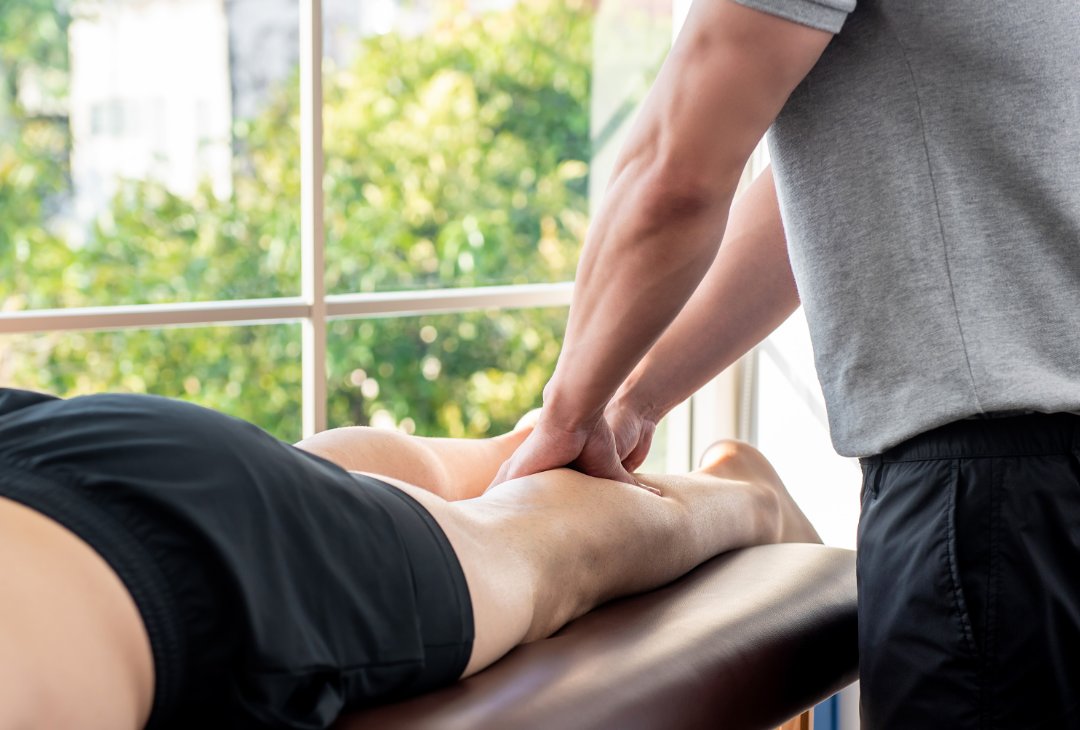
I do the opposite of the mechanic model. Neuromuscular therapy is not a feel good rubdown. It is a system for finding why the pain is there in the first place. Pain is almost never where the problem started. A tight shoulder can come from the hip. A headache can come from the neck. A cranky knee can come from the way you walk. If you only chase the spot that screams, you never touch the thing that is actually pulling on it.
So I read the whole body. The muscles, the tension patterns, the way you are put together and the way you move. Then I work the root, release it with trigger point therapy and myofascial release, and set the body back into balance so the fix can actually hold. That is the difference between covering a warning light with tape and repairing what tripped it.
My Goal Is to Get You Well and Off My Table
Here is the part that sounds bad for business and is the whole point. I want to get you well and off my table. Not tied to me forever. Well. Standing straighter, moving freer, living without the thing that has been following you around. I am not against care that truly prevents disease. I am against a system that ignores the root cause because there is no money in a person who gets better and stays that way. Food, movement, sleep, stress, and the mechanics of how your body carries load are the things that keep people off the table in the first place, and that is the gap I work in.
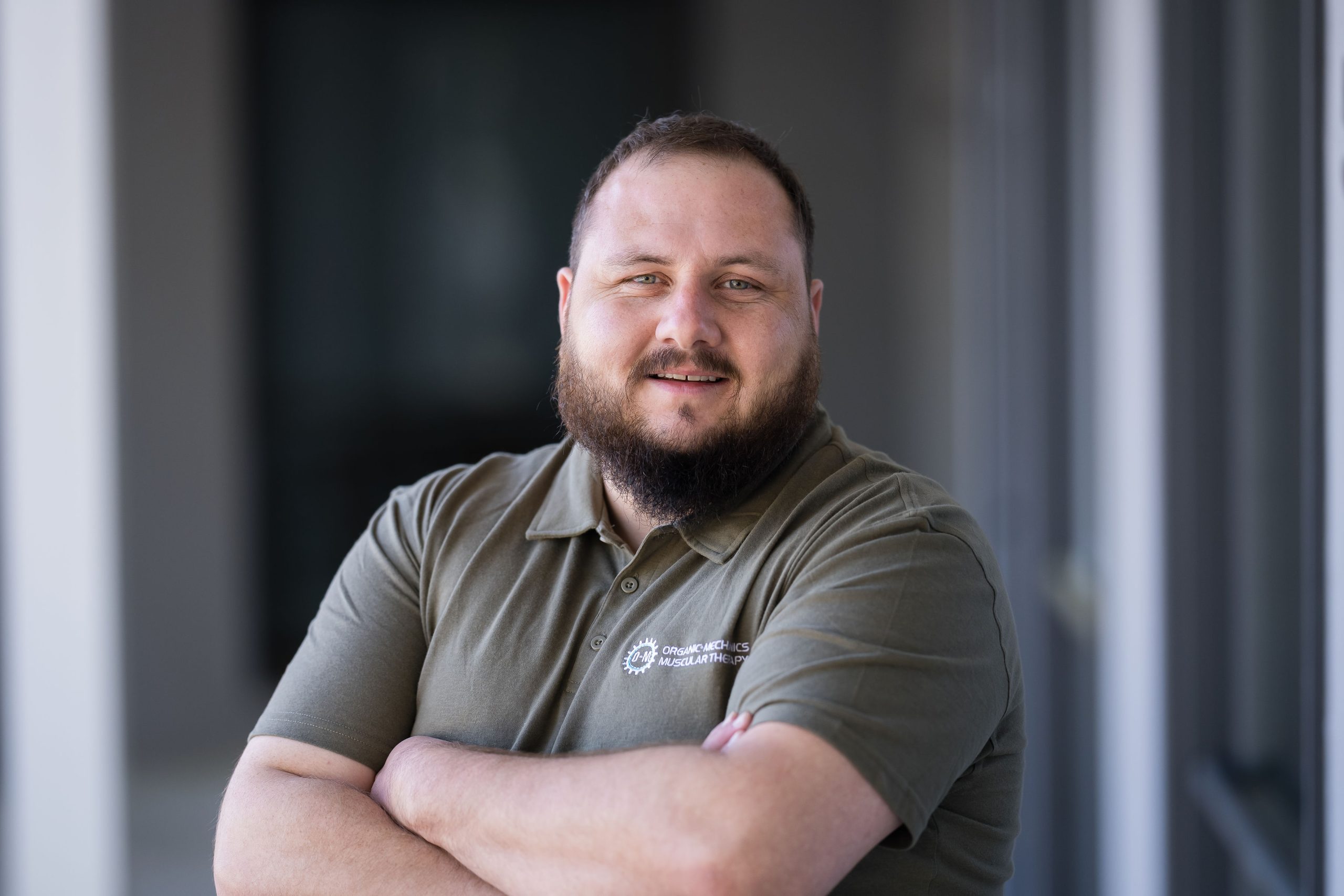
If you have tried massage before and it never stuck, that is usually because it treated the symptom, not the source. Let me look at the whole picture. As Greenville's voted best sports massage therapy two years running, that whole body approach is exactly what I bring to every session. Book an appointment and let us get you well.