Groin pain is a common issue that can affect anyone, from athletes to those leading a more sedentary lifestyle. It often involves discomfort in the muscles and tendons that support the inner thigh, which can be caused by a variety of factors including muscle strain, tightness, or overuse. Using a foam roller at home is an effective way to alleviate pain and improve mobility. It's something we often recommend to patients to try between NMT office visits in order to speed up the recovery process. Let's talk more about the root cause of this type of pain and how to use the foam roller to help.
Understanding the Causes of Groin Pain
Groin pain typically involves the muscles of the hip flexor group, including the adductors (inner thigh muscles), iliopsoas (hip flexors), and the sartorius. Overuse, poor posture, or improper movement patterns can lead to muscle imbalances and tightness, which in turn causes discomfort. The adductors are often the primary culprits when it comes to groin pain, as they play a significant role in stabilizing the pelvis and controlling movement during walking, running, and other activities.
Injuries to the groin are also common in sports that require sudden directional changes, such as soccer, hockey, or tennis. In addition, repetitive strain or stretching beyond the muscle’s capacity can lead to inflammation and tension.
Overuse, poor posture, or improper movement patterns can lead to muscle imbalances and tightness, which in turn causes discomfort.
And when the foam roller is not enough, a fascia release massage session reaches the restrictions the roller cannot.
Foam Rolling Techniques to Relieve Groin Pain
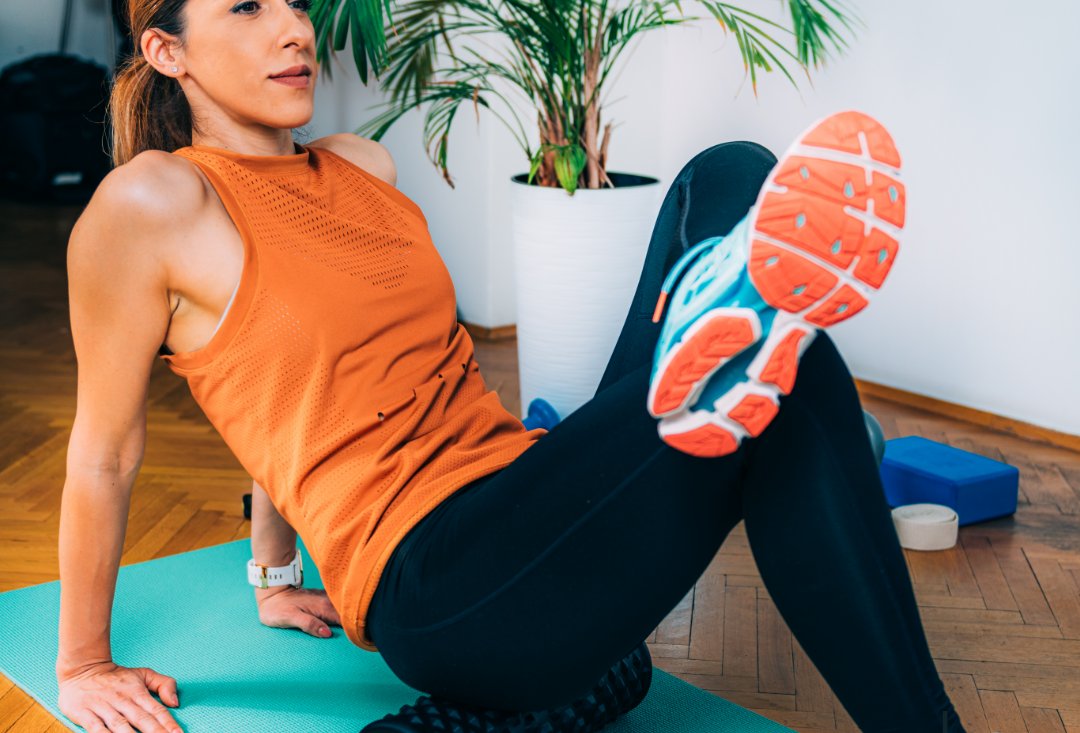
Using a foam roller on the groin area can help release muscle tension, improve blood circulation, and increase flexibility. Here are some effective techniques:
Using these techniques at home can help bring down the pain levels until you can get into the office for your session. Remember to listen to your body though - if you experience sharp pain or discomfort, stop immediately and wait for your appointment to discuss the issue. Generally most people tolerate foam rolling well as long as you start with gentle pressure. For more personalized advice, schedule your appointment with us today!