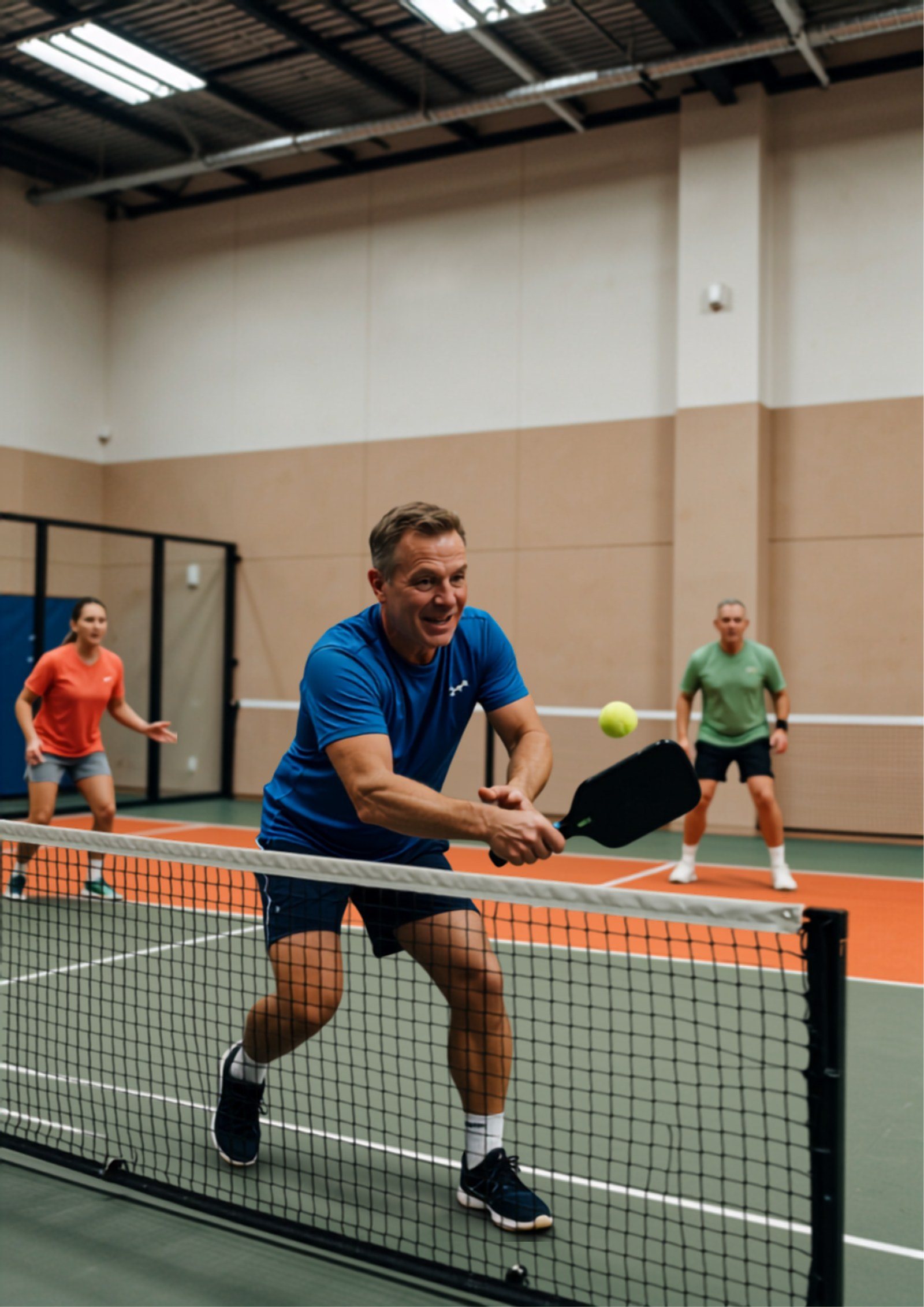
Greenville is an athletic city. We have professional baseball with the Greenville Drive, professional hockey with the Swamp Rabbits, a thriving BJJ competition scene, competitive golfers, equestrian athletes, and one of the best trail networks in the Southeast. Add in the CrossFit boxes, the cycling community on the Swamp Rabbit Trail, and the runners hitting Paris Mountain every weekend — and you have a city full of people pushing their bodies hard.
I work with all of them. From professional athletes on the Greenville Drive and Swamp Rabbits to weekend warriors who went too hard on a Saturday hike, neuromuscular therapy is the tool that keeps athletes performing, recovering, and staying injury-free.
Why Neuromuscular Therapy Is Not the Same as Sports Massage
Most people think sports massage means somebody rubs your legs after a race. That has its place. But neuromuscular therapy goes deeper — literally and diagnostically. I am not applying general techniques to sore areas. I am assessing which specific muscles are dysfunctional, where the trigger points are, what compensation patterns have developed, and how to resolve them precisely.
A baseball pitcher does not need the same treatment as a BJJ grappler. A cyclist's hip pattern is different from a swimmer's shoulder pattern. Neuromuscular therapy accounts for the biomechanical demands of your specific sport.
But neuromuscular therapy goes deeper — literally and diagnostically.
Sport-Specific Patterns I Treat
Baseball (Greenville Drive athletes): Throwing creates massive rotational asymmetry. The rotator cuff, forearm extensors, and obliques on the throwing side overdevelop while the opposite side deconditions. I treat the rotational pattern as a whole system, not just the shoulder that hurts.
Hockey (Swamp Rabbits athletes): Hockey demands explosive hip adduction for skating, constant core bracing for checking, and sustained grip for stick handling. The adductors, hip flexors, and forearms take the biggest toll. Post-game recovery sessions focus on restoring hip range of motion and releasing the thoracic spine from checking impact.
BJJ and martial arts: Grappling creates intense neck, shoulder, and hip strain from positions no other sport puts you in. Guard retention overloads the hip flexors. Collar grips destroy the forearms. And the neck takes abuse from chokes, stacking, and bridging. I treat BJJ athletes with protocols built around their training intensity and competition schedule.
Golf: The golf swing is one of the most asymmetric movements in sport. It loads the thoracolumbar junction, hip rotators, and lead-side forearm in a pattern that builds up over hundreds of swings per round. If you play multiple times a week, those repetitive rotational forces compound into chronic pain without intervention.
Equestrian: Riding creates unique adductor, hip flexor, and lower back strain from maintaining position in the saddle. The sustained isometric contraction pattern is different from any other sport, and treatment has to account for that.
Runners and Trail Athletes
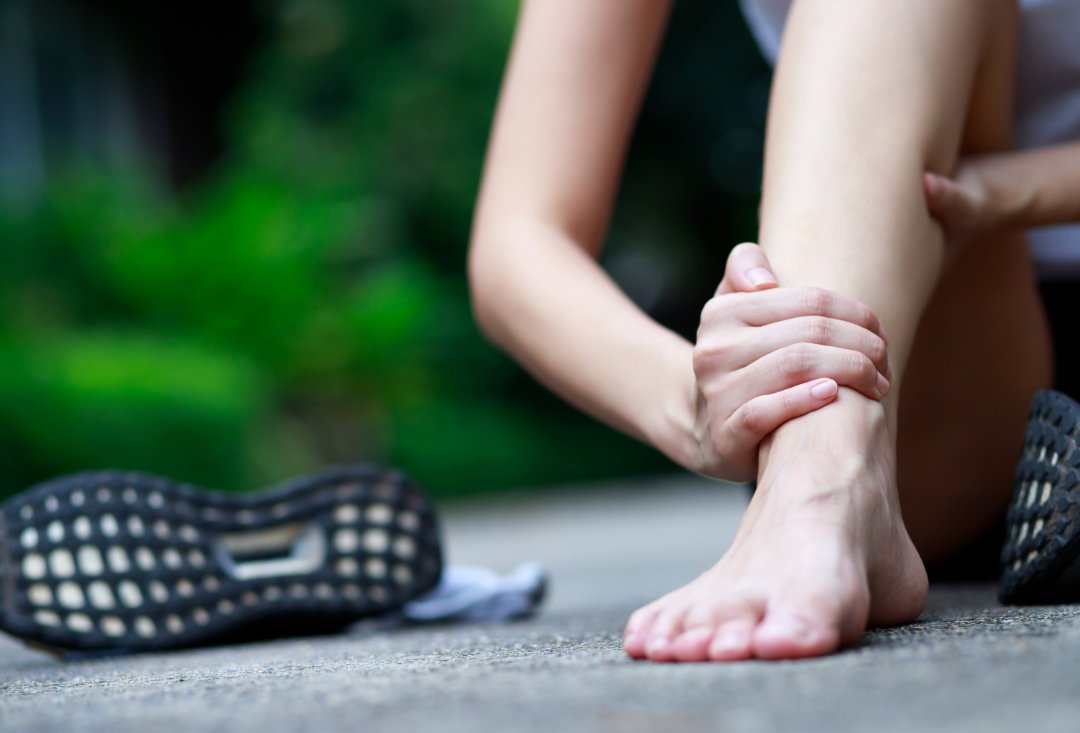
Greenville's trail system is world-class, and I see the injuries to prove it. Trail running on uneven surfaces creates asymmetric loading patterns that road running does not. The peroneals, tibialis posterior, and hip stabilizers work overtime on trails, and when they fatigue, the knees and ankles pay the price.
The most common running patterns I treat are IT band syndrome, plantar fasciitis, shin splints, and hip flexor overload. In almost every case, the pain site is not the problem site. IT band pain at the knee comes from hip dysfunction. Plantar fasciitis comes from calf tightness. Neuromuscular therapy traces the kinetic chain to the actual source.
Timing Your Treatment
When you get treatment relative to your training matters. During heavy training blocks, maintenance sessions every two weeks keep tissue quality high. Before a competition, I schedule sessions three to five days out — close enough to benefit but far enough to avoid post-treatment soreness on race day. After competition, recovery sessions within 48 hours accelerate the return to training.
For athletes over 40 — and Greenville has a lot of them — the frequency needs to increase because recovery takes longer and tissues are less elastic. Biweekly sessions become the baseline rather than the luxury.
CrossFit, Gym Athletes, and Powerlifters
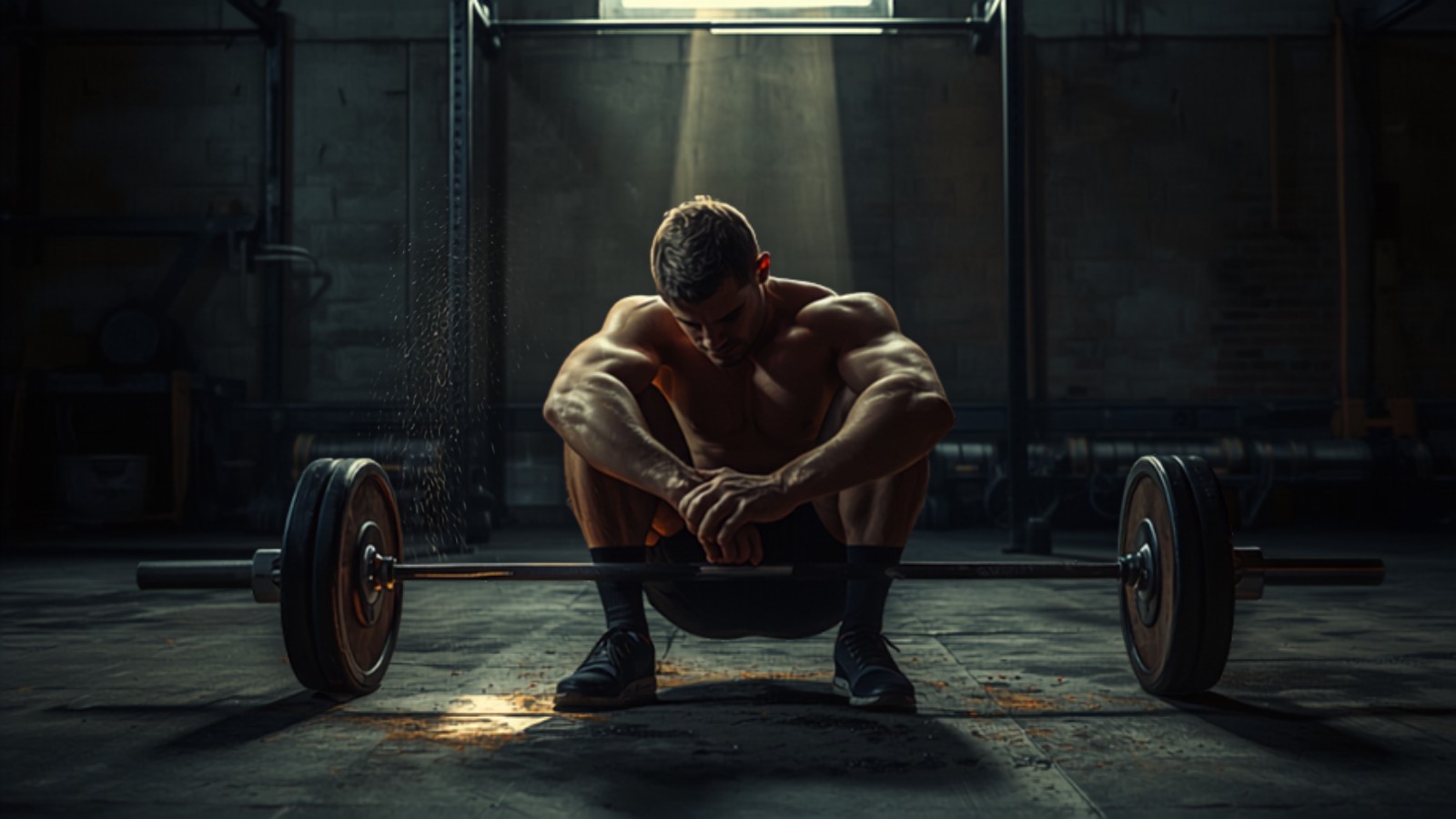
High-intensity training builds strength and creates trigger points simultaneously. Bench press produces pectoral and anterior deltoid trigger points. Heavy deadlifts create erector spinae adhesions. Overhead pressing can lead to shoulder impingement when the rotator cuff muscles are not maintained.
CrossFit athletes have it especially demanding because the movement variety creates trigger points across every muscle group. The benefit of regular neuromuscular therapy is that it catches developing problems before they force you to scale or miss a workout.
The Competitive Edge Nobody Talks About
Every serious athlete invests in nutrition, coaching, and equipment. But the athletes who invest in tissue quality through neuromuscular therapy consistently outperform their potential because they train harder, recover faster, and avoid the injuries that derail seasons.
I have seen it across every sport I work with. The athletes who get regular neuromuscular therapy do not just hurt less — they move better, react faster, and sustain performance deeper into their season or competition.
Got questions about how neuromuscular therapy fits your sport? I have answered over a thousand of them on the Organic Mechanics FAQ page — including detailed sections on sports performance, injury prevention, recovery timelines, and every sport from pickleball to triathlon.