
If your jaw aches, clicks, or feels tight when you chew or talk, you are not imagining it, and you are not alone. Jaw pain is one of the most overlooked problems we see, partly because people assume it is purely a dental issue and partly because the pain often shows up somewhere else, like the ear, the temple, or the side of the face. The truth is that a large share of jaw pain is muscular, which means neuromuscular therapy can often bring real relief. At Organic Mechanics in Greenville, we treat the muscles that drive TMJ pain at the source.
What Is TMJ?
TMJ stands for the temporomandibular joint, the hinge that connects your lower jaw to your skull just in front of each ear. You use it every time you talk, chew, yawn, or swallow, which adds up to thousands of times a day. When the joint and the muscles around it stop working smoothly, the result is a condition clinicians call TMD, or temporomandibular disorder. Most people simply call it TMJ. Common symptoms include aching or tightness in the jaw, clicking or popping when you open your mouth, trouble chewing, headaches, ear pain or a feeling of fullness in the ear, and tension that spreads into the neck and face.
Four main muscles move your jaw, and every one of them can become a source of pain.
The Muscles Behind Your Jaw Pain
Four main muscles move your jaw, and every one of them can become a source of pain. The masseter, the thick muscle along the angle of your jaw, is one of the strongest muscles in the body for its size. The temporalis fans out across the side of your head above the ear. The medial and lateral pterygoids sit deeper, behind the jaw. When these muscles are overworked, they develop trigger points, which are tight, irritable knots that refer pain to other areas. A trigger point in the masseter can send pain into your teeth and feel exactly like a toothache when nothing is wrong with the tooth. A trigger point in the temporalis can feel like a headache. This is a big part of why jaw pain is so often misunderstood and mistreated.
Why Your Jaw Gets Locked Up
The most common driver is clenching and grinding, often during sleep, a habit known as bruxism. Stress usually sits right behind it. When you are tense, you unconsciously clench your jaw, and those muscles never get a chance to fully relax. Posture plays a bigger role than most people expect. When your head drifts forward over a phone or a desk, the muscles of the jaw and neck have to compensate, and that extra load shows up in the joint. Other contributors include chewing gum, biting your nails, an uneven bite, and old injuries to the head or neck.
How Neuromuscular Therapy Treats TMJ and Jaw Pain
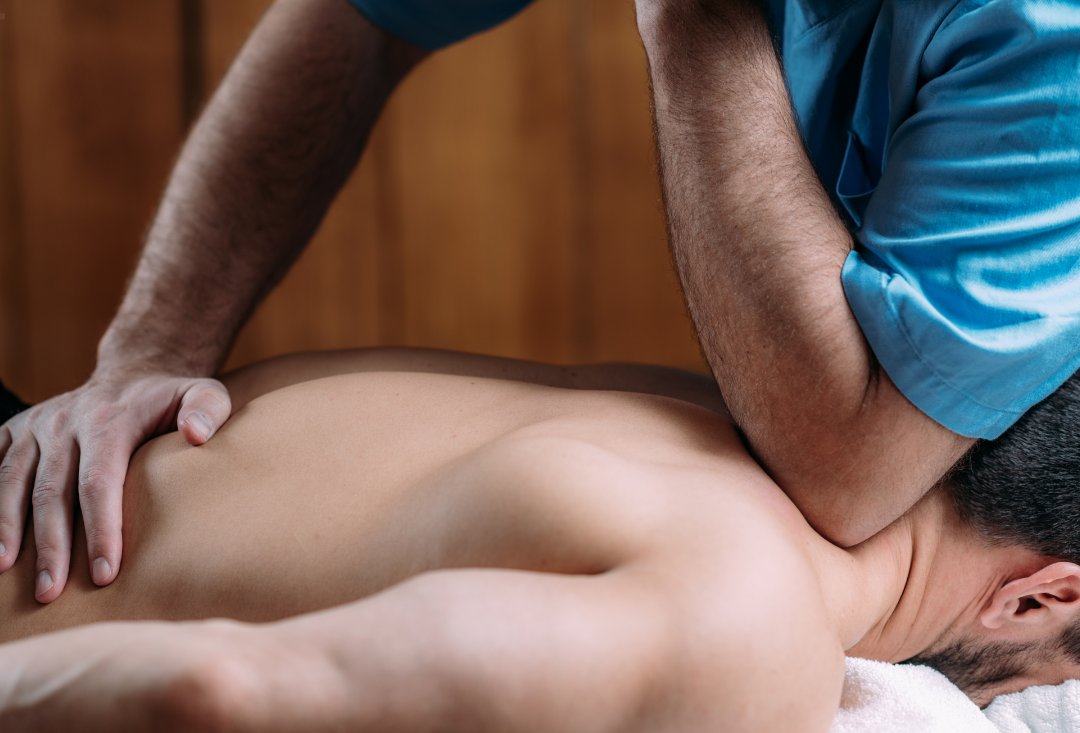
At Organic Mechanics, we do not just chase the spot that hurts. Neuromuscular therapy is a clinical, targeted approach. We start by assessing how your jaw moves, where it catches, and which muscles are involved, and we look closely at your neck and posture because they are part of the same chain. From there we use precise, hands on techniques to release the trigger points and fascial restrictions in the jaw, temple, and neck muscles that are creating your pain. Because the masseter and pterygoids are involved in so many cases, treatment may include careful work on the muscles you use to chew. Every plan is built around what your body needs, and many patients feel the jaw begin to loosen and the pain ease within the first few sessions.
If you grind heavily at night, a dentist may also recommend a night guard to protect your teeth, and the two approaches work well together. Our focus is the muscular tension that keeps the joint irritated, which is exactly the piece that skilled hands on therapy is built to address.
The Jaw, Neck, and Headache Connection
Your jaw does not work in isolation. The muscles of the jaw share deep connections with the muscles of the neck and the base of the skull, which is why jaw pain, neck pain, and headaches so often travel together. Patients who come in for stubborn tension headaches are sometimes surprised to learn their jaw is part of the problem. When we release the jaw and neck together, the headaches frequently improve as well. It makes sense once you understand how tightly the anatomy of the head and neck is woven together.
What You Can Do Between Visits
Treatment in the office is only part of the picture. Becoming aware of when you clench is one of the most powerful things you can do. A simple cue is to keep your teeth slightly apart and your tongue resting gently on the roof of your mouth, since your jaw is meant to rest, not grind. During a flare, stick to softer foods, skip the gum, and avoid wide yawns that strain the joint. Managing stress, improving your desk posture, and gentle jaw movement all help the results last. We give every patient practical guidance tailored to their own habits.
You should not have to live with a jaw that aches every time you eat or talk. If you are dealing with TMJ pain, clicking, or tension that will not let go, book an appointment and let us help you get back to comfort.