
If you have been to the office, you probably met Jackson before you met me. He was the small Cavachon at the door, our office service animal, and as far as he was concerned, every person who walked in was on his schedule. This past July, after fifteen years, his heart finished its work, and we said goodbye.
I have spent my career studying what care does to a body. Jackson never studied a thing and was better at it than I am. He could read a nervous first visit from across the room. He knew which patients wanted company and which ones needed to be left alone, and he was never wrong. People walked in carrying pain, and before I ever laid a hand on them, a small dog had already started the treatment.
He never missed a day
Fifteen years, and he never called out once. Every morning he came to work like it was the best idea anyone ever had, took his post, and held it. Patients felt it before they could name it. There is something a body does around that kind of steadiness: the shoulders drop an inch, the breath gets longer, the guard comes down. Half of healing is believing you are somewhere safe. Jackson handed that out at the door, free of charge, to every person who walked in.
And here is something I never taught him: Jackson knew time. Nobody trained it into him. He understood words like a person and carried himself like one too, and somewhere along the way he memorized the schedule. If I ran behind with a patient, he would push open the treatment room door and stand in the doorway, staring at me. The message was never unclear. The next one is here, and you are late. People assume I ran this office. I just did the bodywork. Jackson was my boss.
What he knew without training
Jackson could not name a muscle and never read a chart. But he understood the two things every good therapist has to learn the hard way: pay attention, and do not rush. He noticed the person before the problem. He sat with people exactly as long as they needed and not a second longer. I have a license on the wall and years of clinical training, and I am still working to be as good at presence as a twenty pound dog.
What a heavy heart does to a body
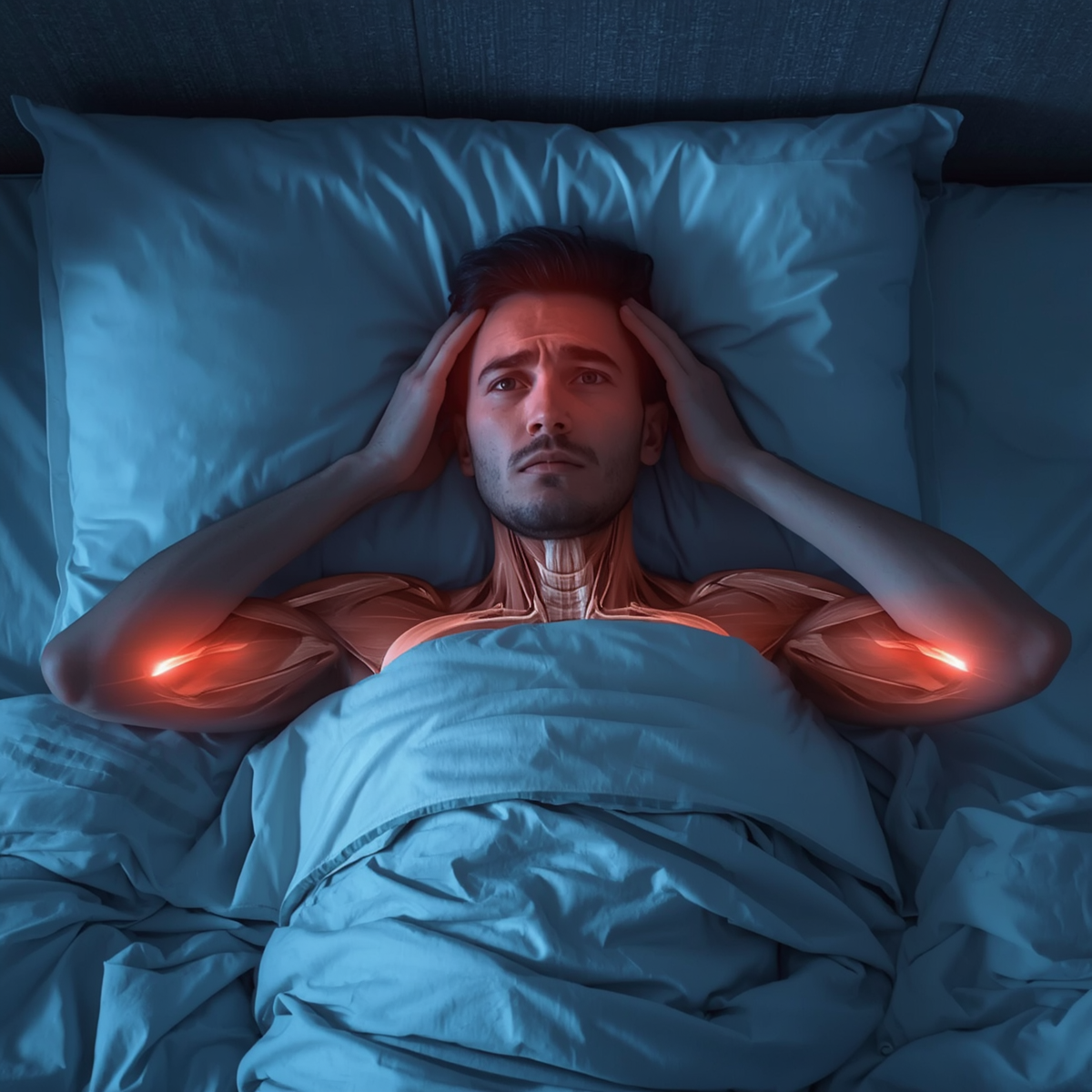
Loss does not stay in the heart. The body braces around it. The chest tightens, the jaw clenches, the shoulders climb, the breath goes shallow, and sleep turns thin. Hold that brace long enough and it becomes trigger points, stiff ribs, and old injuries flaring for no reason you can name. I find heavy hearts in muscle tissue every week of my career.
Miss your Pet?
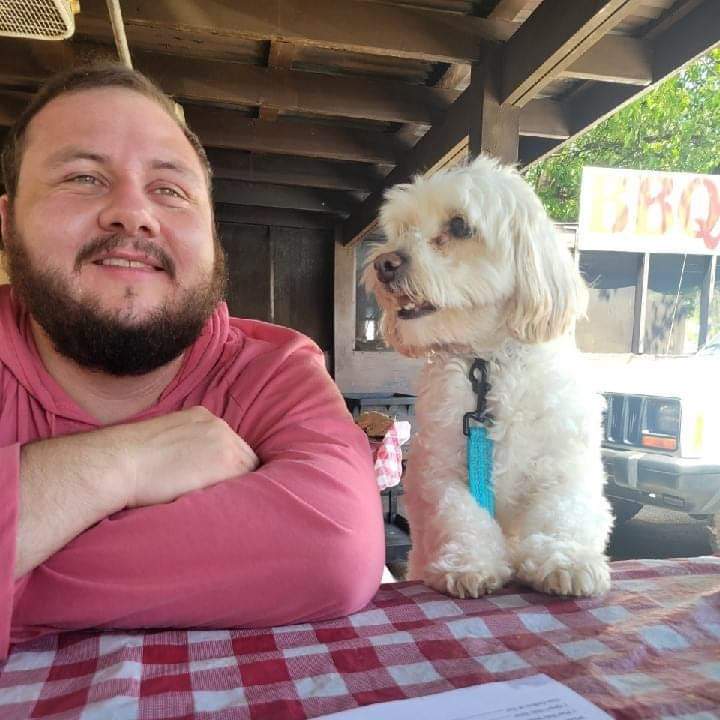
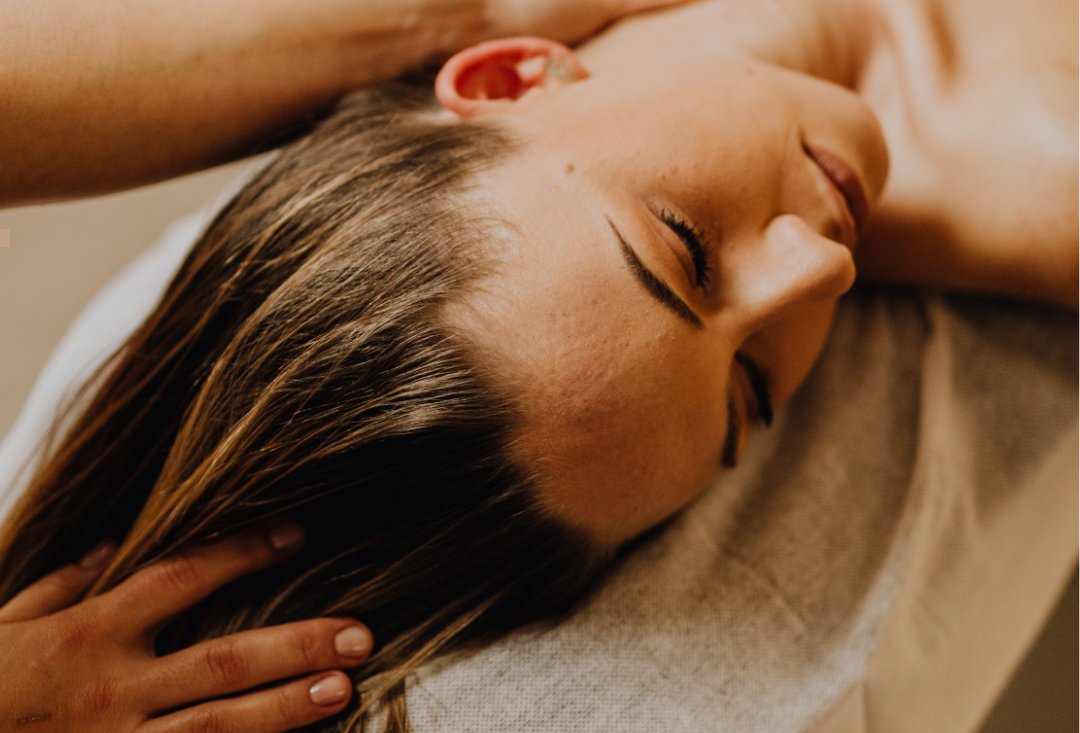
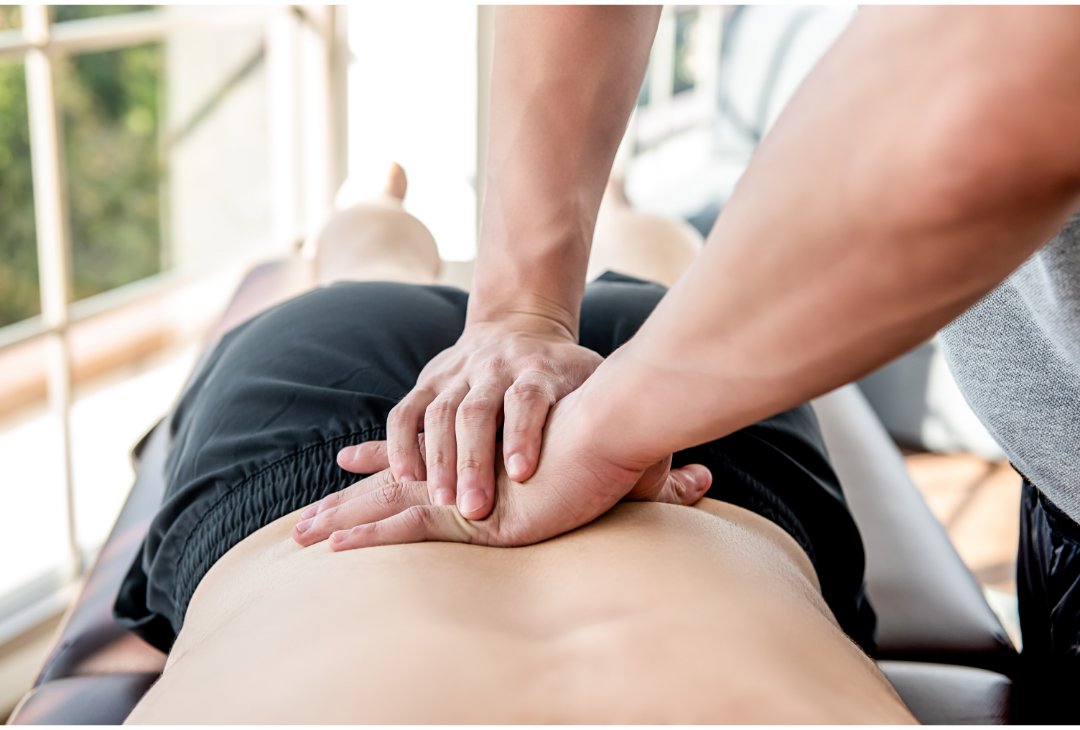
Bodywork cannot give anyone back what they lost, and I will never claim it can. What it does is tell the nervous system the emergency can pause. The breath drops deeper, the shoulders come down, and sleep starts repairing what it can reach. If you are carrying something heavy, come in when you are ready. We will take care of the body that has been carrying it.