
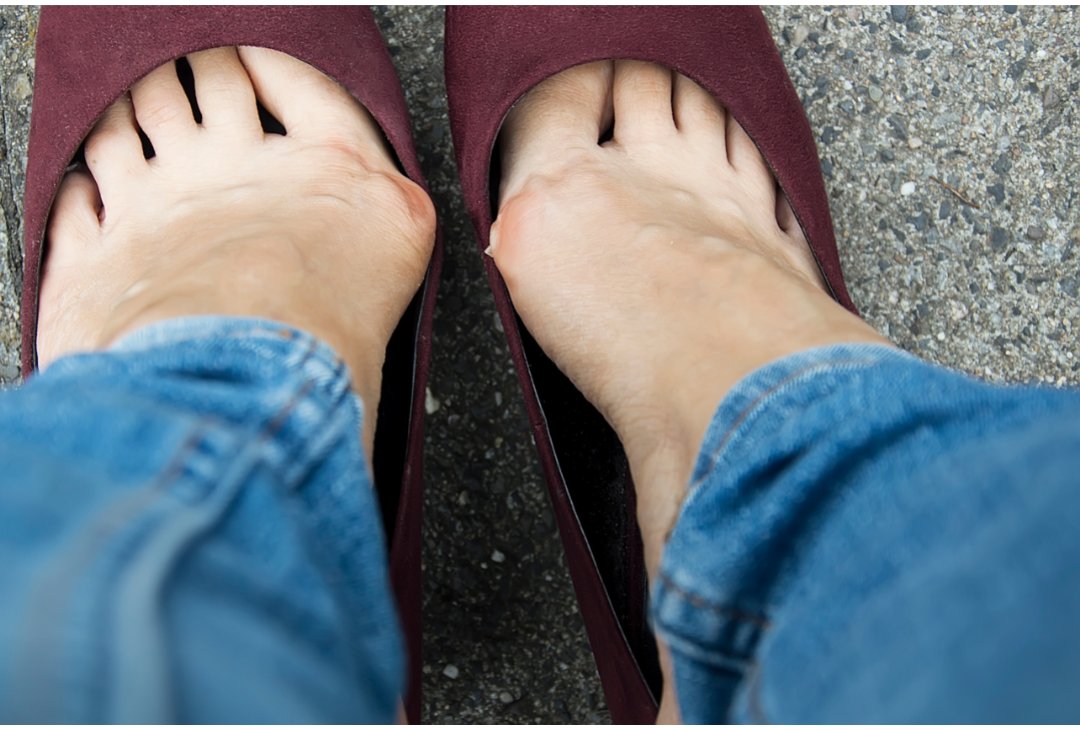
Your feet are remarkable structures of engineering. Each foot contains 26 bones, 33 joints, and over 100 muscles, tendons, and ligaments. This intricate system is designed to move dynamically, adapt to terrain, and distribute force efficiently. Your feet are built to be mobile and flexible, not confined and rigid. Yet most of us spend 8+ hours daily restricting this magnificent system in modern shoes.
Modern footwear—especially fashionable options—often features a narrow toe box, elevated heel, and a rigid sole. These design features look good but fundamentally change how your foot functions. When your toes are compressed into an unnatural position day after day, the muscles, tendons, and ligaments that control your foot position adapt to that restricted posture. Over years, this chronic positioning literally remodels your foot structure.
How Foot Deformities Develop
This is how deformities develop. Bunions form when the big toe is constantly pushed inward by shoe pressure, causing the joint to reposition. Hammertoes result from toe compression forcing joints into bent positions. Collapsed arches develop from lack of foot mobility and muscle engagement. Hallux valgus—the medical term for severe bunion deformity—can require surgery but started as a chronic positioning problem. None of these deformities happen overnight; they develop from years of improper foot positioning.
The connection between footwear and foot health is direct and undeniable. When your foot is confined, the intrinsic muscles of your foot weaken and shorten. Your arch receives no stimulus to remain strong, so it collapses. Your toe muscles don't work, so they atrophy. Meanwhile, compensatory tension develops in your calf, plantar fascia, and entire lower leg as your body tries to maintain function despite the restricted foot.
Modern footwear—especially fashionable options—often features a narrow toe box, elevated heel, and a rigid sole.
How NMT Addresses Foot Dysfunction
This is where neuromuscular therapy helps significantly. I work directly with the intrinsic foot muscles, the plantar fascia through myofascial release, and your calf musculature to address both the existing deformity and the compensatory patterns that developed around it. NMT can't reverse severe deformities that have already occurred, but it can reduce pain, improve function, and prevent further deterioration. More importantly, it educates you on what's actually happening in your foot.
Better Shoes, Better Feet
The real solution involves transitioning to more natural footwear—shoes with wider toe boxes, minimal heel lift, and flexibility that allows your foot to move naturally. Brands focused on minimal or "barefoot" shoes provide this environment. Combined with deliberate foot strengthening and regular neuromuscular therapy, you can restore foot function and prevent future deformities. Your feet spend a lifetime supporting your entire body—they deserve footwear that respects their design.